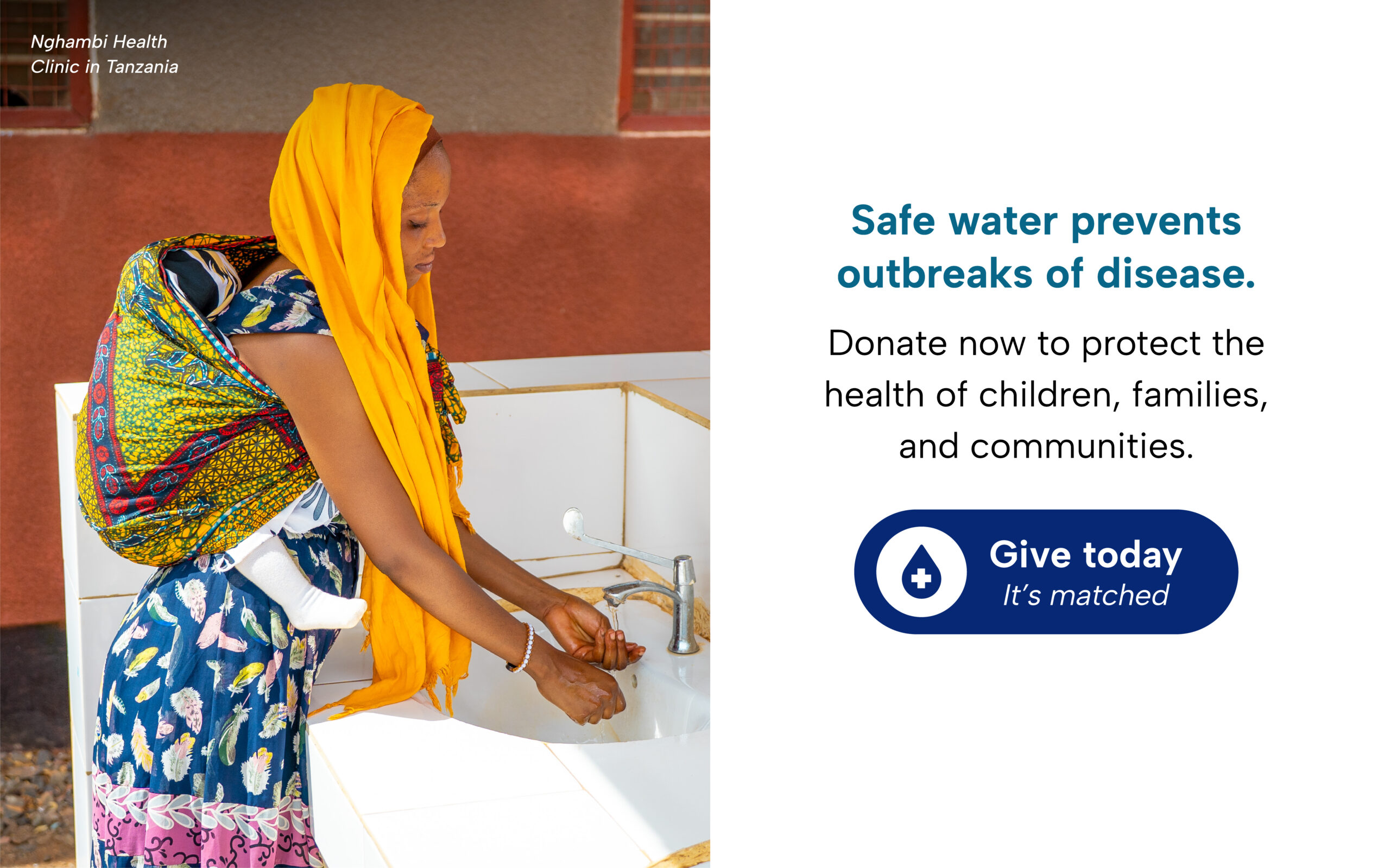
Climate change disproportionately affects marginalized communities, making it an issue of social justice. That’s why the recent recognition of the Disability Caucus within global climate negotiations is such a significant milestone.
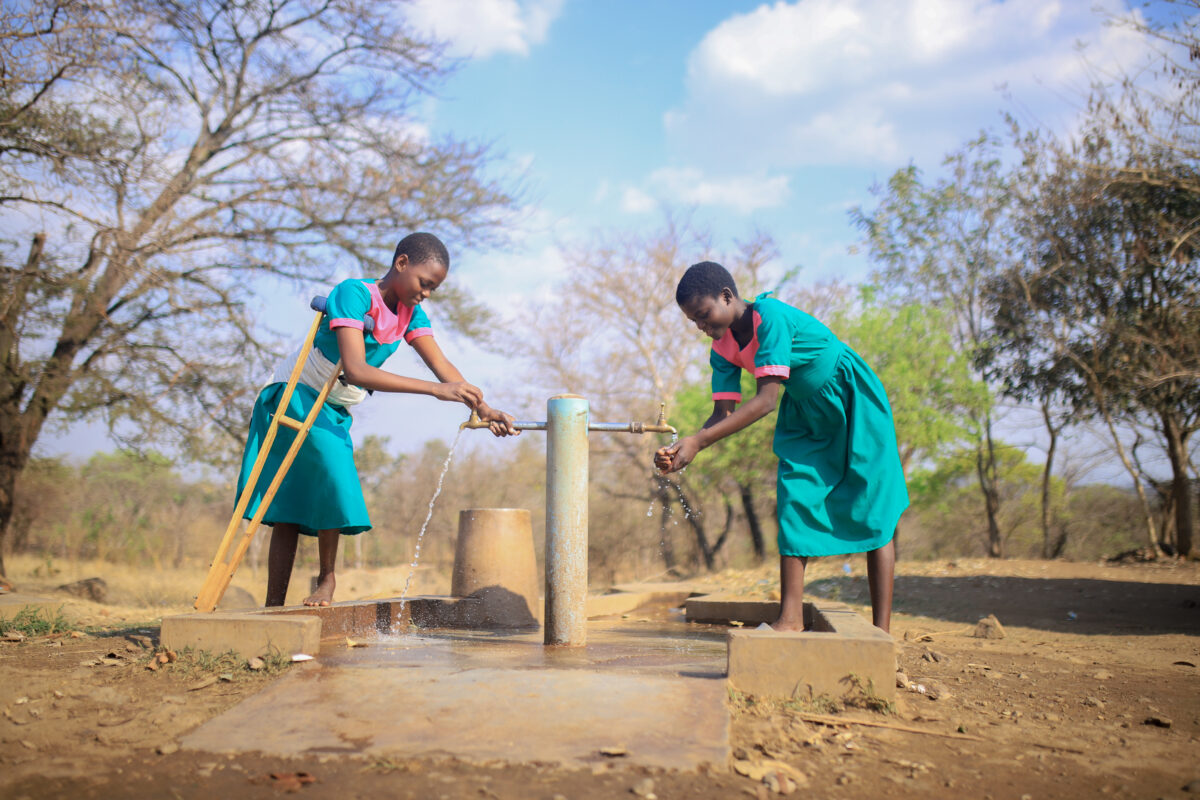
For example, women and girls with disabilities face multiple barriers to programs and services during climate-related disasters. Addressing climate change is both an environmental challenge and a matter of equity and social justice.
I was thrilled to see the announcement by the International Disability Alliance (IDA) about the official recognition of the Disability Caucus. This is truly a historic climate action win for persons with disabilities around the world.
As the IDA Secretariat shared: "For the first time, persons with disabilities and their representative organizations have a formally acknowledged platform within the climate negotiations to ensure their voices are heard and meaningfully integrated into policies, plans, and frameworks that directly affect their lives and communities."
When I attended COP26, the global climate gathering in Glasgow in 2021, the Disability Caucus was still an informal group that had been fighting for representation since COP21 in 2015. It was clear how little attention was given to persons with disabilities, despite the disproportionate impacts faced during climate disasters. Whenever I attended a side event in the Blue or Green Zones, I asked presenters about disability inclusion in their planning, programming, or advocacy. Often, the room would fall silent, and presenters did not know how to respond.
But leaders from IDA, grassroots Organizations of Persons with Disabilities (OPDs), and inclusive development organizations were mobilizing – engaging in planning dialogues on the sides of events, in hallways, and in nearby coffee shops. The movement was passionate, with advocates in constant conversation with decision-makers on how to secure official recognition for the Disability Caucus.
Now, 4.5 years later, the hard work of these tireless advocates has paid off. The global community is finally acknowledging and recognizing the need for meaningful participation of persons with disabilities and their representative organizations in all climate negotiations. Policymakers need to listen to the expertise and lived realities of individuals who are most impacted by climate. This needs to include providing reasonable accommodations and accessibility provisions to ensure representation and meaningful participation.
As an international community, we need to come together and ensure these policies are implemented and enforced.
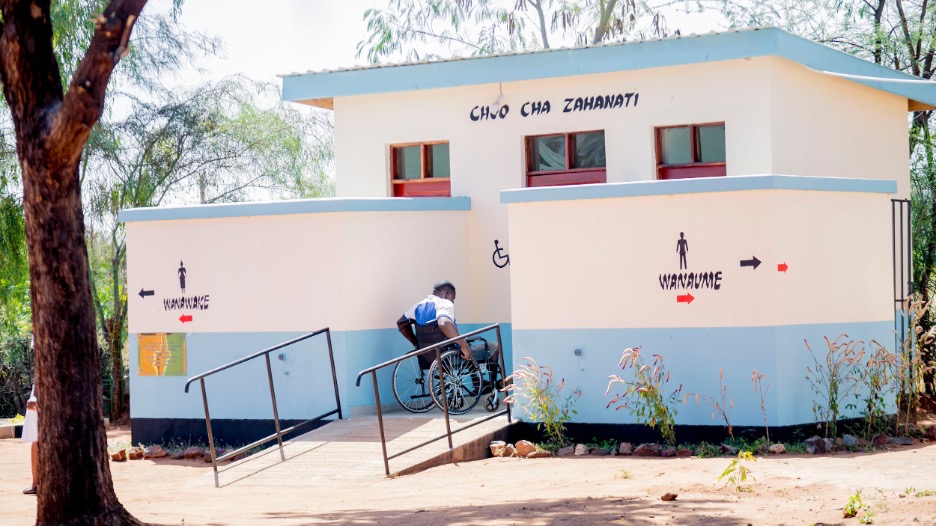
As Water For People, we need to ensure all our climate-resilient water, sanitation, and hygiene work is inclusive of persons with diverse disabilities. We need to ensure we are taking an intersectional approach – considering how different identities, such as gender, age, and ethnic identity, impact an individual’s experience.
We need to ensure we are partnering with OPDs and that they are joining us in advocacy spaces at the local, national, and international levels – so that we amplify their voices and advocate for financing and budgets that include marginalized groups.
This is what our Everyone Forever approach looks like in action. It means reaching Everyone with sustainable water, sanitation, and hygiene services that last Forever, without leaving anyone behind.
As we work toward climate justice, climate-resilient WASH, and ‘leaving no one behind,’ we support the recognition of the Disability Caucus as a formally acknowledged platform. Congratulations to the advocates and champions who have been fighting for this important milestone since 2015.
Authored by: Ruby Novello, Global Advisor on Equity & Inclusion
Ruby supports the mainstreaming of gender and social inclusion within Water For People and its water, health, and sanitation (WASH) programming in 10 countries. Ruby has an MA from American University’s School of International Service, where she focused on the inclusion of persons with disabilities throughout peacebuilding processes. Ruby believes that the voices of the most marginalized must be amplified to create widespread sustainable change.