
It takes bravery to start something new – and tenacity to finish what you start.
For over three decades, Water For People has worked toward a world where every person has reliable access to clean water and sanitation. Not just for today, but for generations to come. We call this bold vision Everyone Forever.
"We have a vision of a world where everyone has access to reliable and safe water and sanitation services." – Mark Duey, Water For People CEO
When we saw our Everyone Forever model working in Malawi, Rwanda, and Uganda, we aimed to take it further. After all, billions of people still need water and sanitation services – that’s unacceptable – and we zeroed in on Tanzania.
In 2022, Water For People opened a completely new country program office with local team members in Dodoma, Tanzania’s capital city. Beginning with a specialized focus on water, sanitation, and hygiene in Mpwapwa District.
Water For People Reflects
Mark Duey
CEO of Water For People, Mark Duey, first crossed paths with Water For People as a Peace Corps Volunteer in Honduras. He joined Water For People in 2008 and has led teams and strategies across the organization. Today, he leads alongside the Global Leadership Team, with members representing each region where Water For People works, including Cate Nimanya, Water For People Africa Regional Director.
"These solutions are not just for today, they are for families for generations to come. So that they can have these significant impacts and improvements in their lives that come from having safe drinking water and sanitation," Mark emphasizes.
Cate Nimanya
With decades of experience in the Africa’s East and Central regions, Cate Nimanya, Water For People Africa Regional Director, firmly believes no girl should have to walk long distances to find water, and no person should suffer from WASH-related diseases.
Her perspective is unwavering, "Our journey in Africa has been one of learning. We make sure that the institutions are in place and that service providers will continue providing water," Cate affirms.
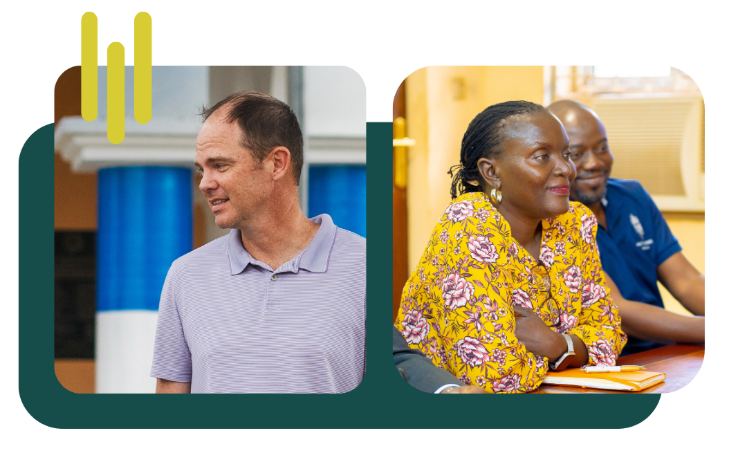
Regional Director Cate Nimanya (right), reflect on launching a new program in Tanzania. Mark and Cate each have more than 25 years of experience in driving WASH sector policies, strategies, program development, and market-based sanitation.
Everyone Forever means water and sanitation will last for every family, school, and clinic. It sounds simple, but it’s actually a big shift in the status quo. In most water and sanitation work, the focus is on short-term wins – building a few wells or toilets without considering how they will last long into the future.
We learned that this approach wasn’t working. When pumps and toilets broke, no one could fix them. So in 2011, we conceptualized the Everyone Forever model. It means what it says – everyone has water that lasts forever.
Globally, 1 in 4 people still don’t have access to safe drinking water.²
Our work is changing this.
Bravery Embodied: Ashura’s Leadership
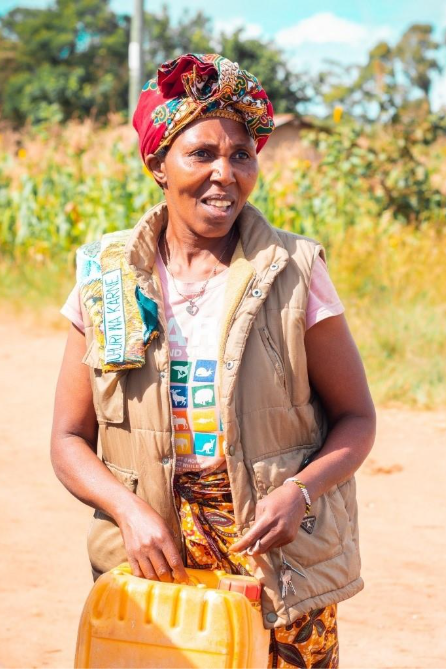
The bravery of Everyone Forever is embodied in Ashura Mgiliule, a village leader in Mpwapwa.
Every day throughout Mpwapwa, families spend hours collecting water from unsafe, unprotected sources like shallow wells, rivers, and springs – water that is used for everything from drinking to bathing to caring for livestock. It’s often contaminated, leading to frequent cases of diarrhea diseases and typhoid, especially among children, and the threat of cholera persists.
In Tanzania, women like Ashura are driving local efforts in partnership with Water For People to bring clean water to every family, school, and health clinic – ending long walks in search of water
The harsh realities clean water can wash away
Picture the reality that people are facing in Mpwapwa: our data shows that 81% of people living there lack access to safe water.¹
Ashura tells us about the threat of cholera outbreaks like the one experienced in a neighboring community. She expresses how time is lost, especially during the dry season, when the walk to collect water extends beyond three hours. She shares that women and girls typically walk to collect water three times a day, leaving little time for school, farming, or business activities.
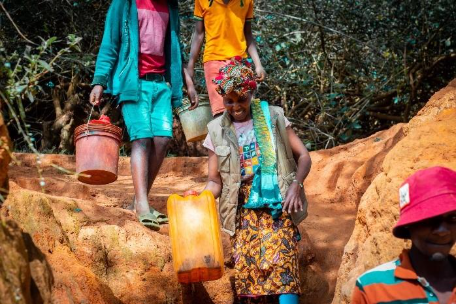
With determination for change, "Most of the conflicts in marriages reported at the village office are caused by the lack of water. Men don’t believe a woman could spend three hours just fetching water. Lack of water drives gender-based violence in our communities," Ashura states.
Families, schools, and health centers all face challenges without clean water – children miss class, mothers lose income, and clinics lack hygiene.
Bravery for Water in Homes
Also in Ashura’s village lives Sekwela Samila, a mother of four, who makes the trip to collect water every morning before returning home to tend to her children and farm. She believes the water is safe because it looks clear, but her children frequently fall sick with diarrhea, and the cost of treatment cuts into their already limited income. With bravery, we can change this.
Tenacity for Water in Schools
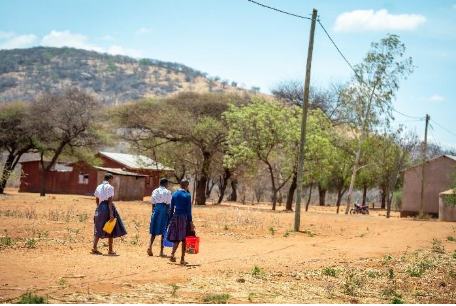
Local schools face similar challenges from a lack of water and sanitation access. The secondary school has more than 750 students, many of whom miss class daily to collect water for the school’s temporary water station. Without separate stalls or privacy in the school’s bathrooms, girls, including Sekwela’s daughter, often miss school during their periods. With tenacity, we can change this.
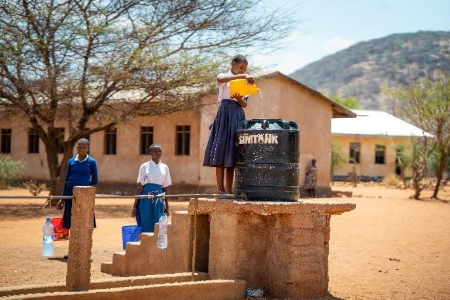
Determination for Water in Health Centers
The local Health Center – staffed by two healthcare workers who report caring for over 4,000 people each quarter – has no clean water, no handwashing facilities, and only one deteriorating latrine. Staff walk to collect water from the village’s unprotected sources and often cannot treat it before use. The single latrine is shared by both patients and staff and is not accessible to people with disabilities. We’ll say it again because our mission is clear: we can change this.
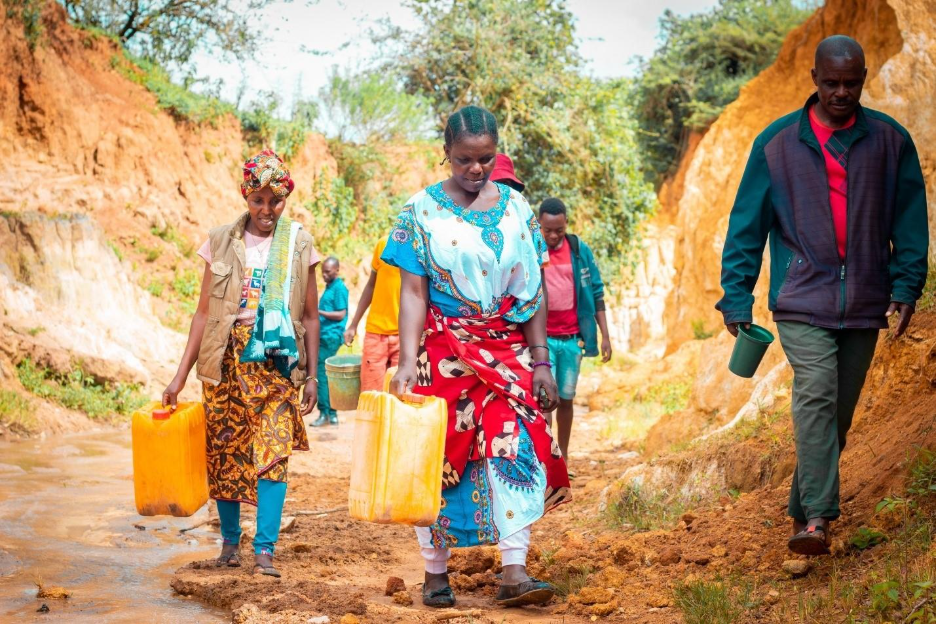
Home to Ashura and Sekwela, Mwanawotta is just one of the communities we will collaboratively work with in the district of Mpwapwa, Tanzania.
The need here is urgent – and solvable. Water For People believes that even one person without clean water and a toilet is unacceptable, which is why we will continue propelling communities toward safe sanitation, advocate for improved hygiene practices, and cultivate healthier futures for generations to come.
In a Short Time, Everyone Forever Shows Progress in Tanzania
In Idodomia, another village in Mpwapwa, water now flows at the Health Center – proof that Everyone Forever works. Grace Edward is a powerful witness to it as a nurse. What’s next? Access for homes, schools, more health centers, and nearby villages – until clean water and sanitation reach Everyone.
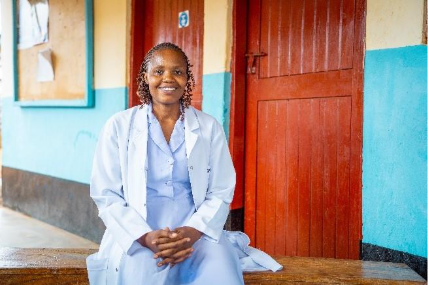
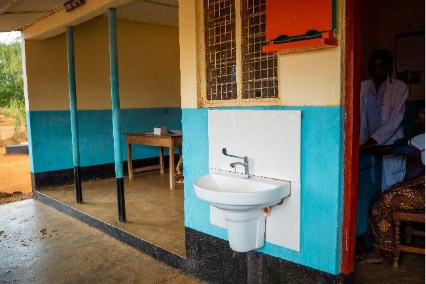
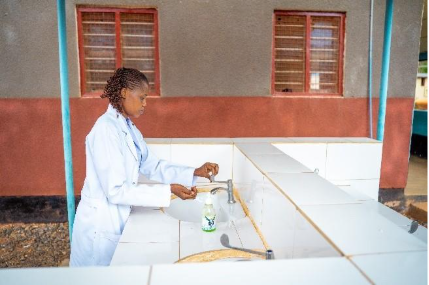
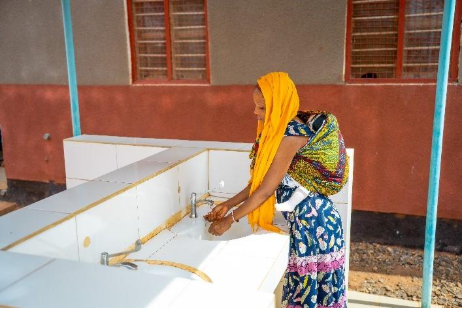
Nurse Grace Edward (Photos 1, 2, 3) has witnessed both the challenges of the past and the progress of today, experiencing the positive change in Idodomia’s healthcare environment. Photo 4: Health Center patient comfortably washes her hands after a check-up with her baby.
Grace’s village is an example of Water For People’s successful collaboration among local staff, leaders, communities, and governments – fueled by generous supporters.
"As a health worker, I am proud because this project has brought major changes, especially in patient care." – Grace Edward
The Need is Urgent – And Solvable
Our work in Tanzania is still new, and you can be one of the first to help. When you give, you are fueling trust, ownership, and lasting change.
Underscoring the sustainable approach, "With the Everyone Forever model, ‘Forever’ is focused on ensuring that those services are in place for generations," says Mark.
Your donation doesn’t just fund infrastructure – it builds capacity, strengthens systems, and empowers communities to thrive for generations.
In Tanzania, many communities are accessing clean water and sanitation for the first time – and walking for water for the last time.
We need supporters like you who care about sustainable solutions.
Your donation will change lives for generations.
More stories from Tanzania:
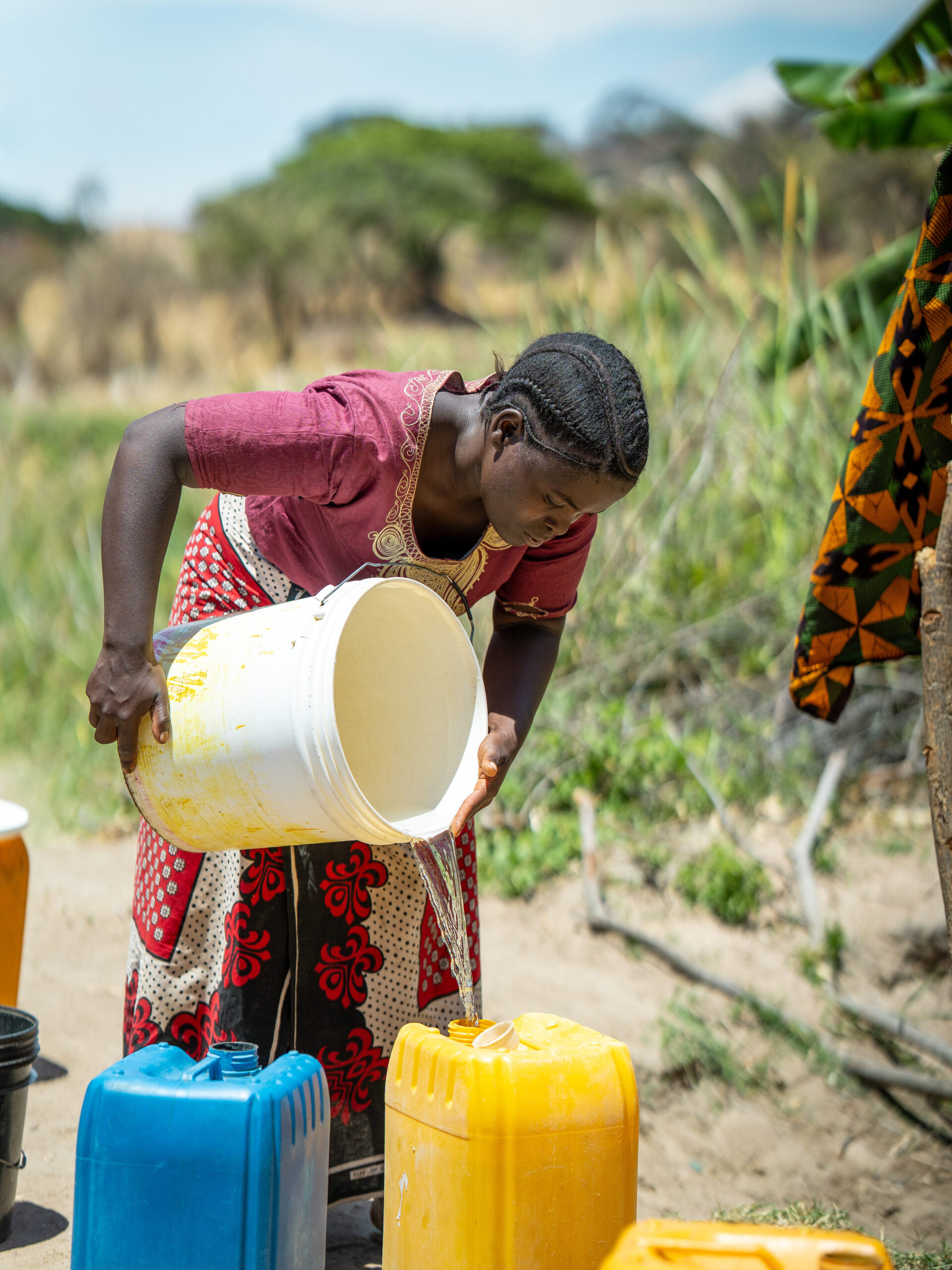
Women and Water
Hakika shows tenacity every day, knowing that soon clean water will mean dignity and opportunity for her entire community. Read Hakika’s story here.
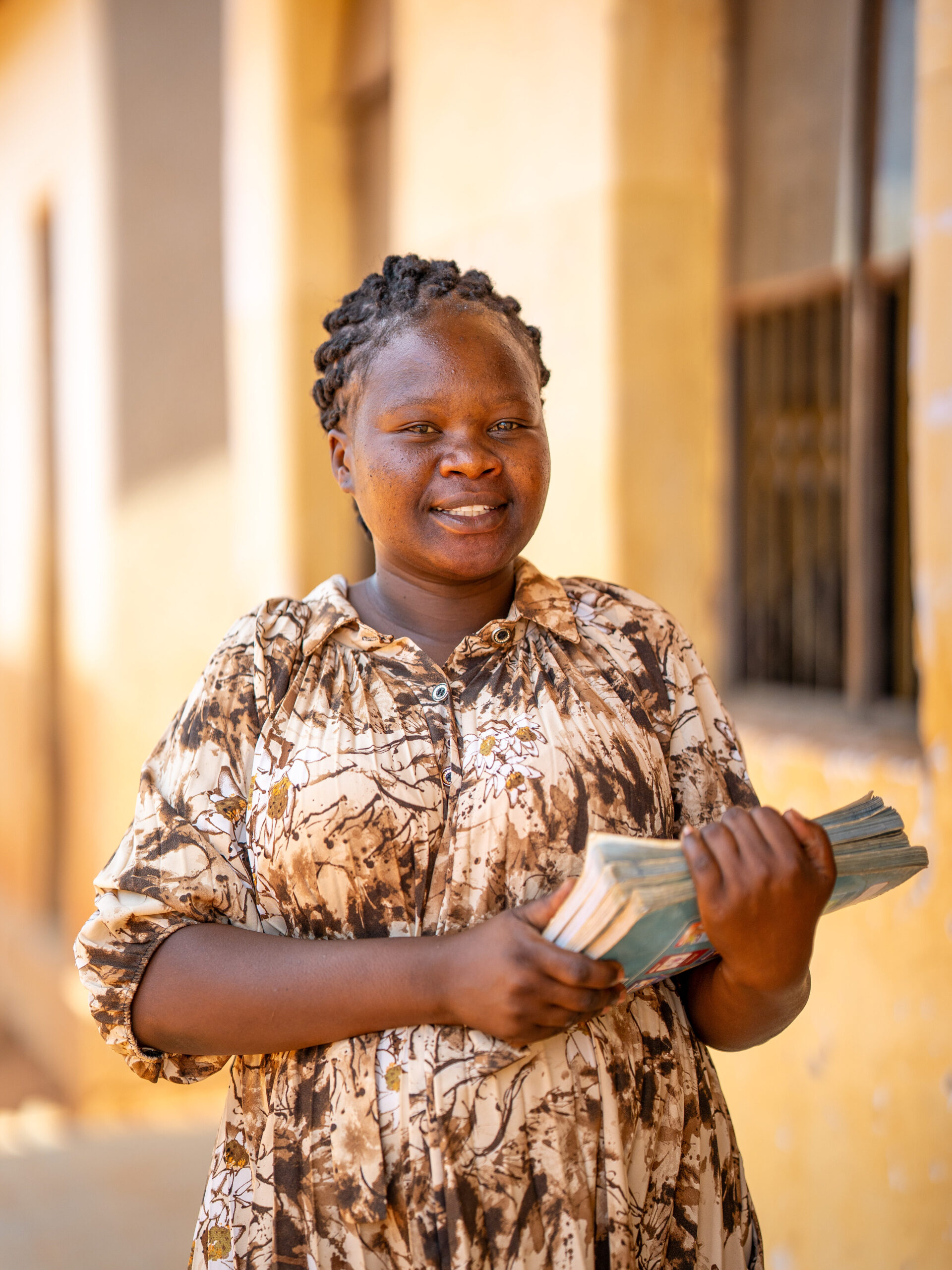
Education and Water
Tumaini educates students each day with bravery and hope that their futures will be healthier because of the school’s upcoming access to clean water in partnership with Water For People. Read Tumaini’s story here.
Health and Water
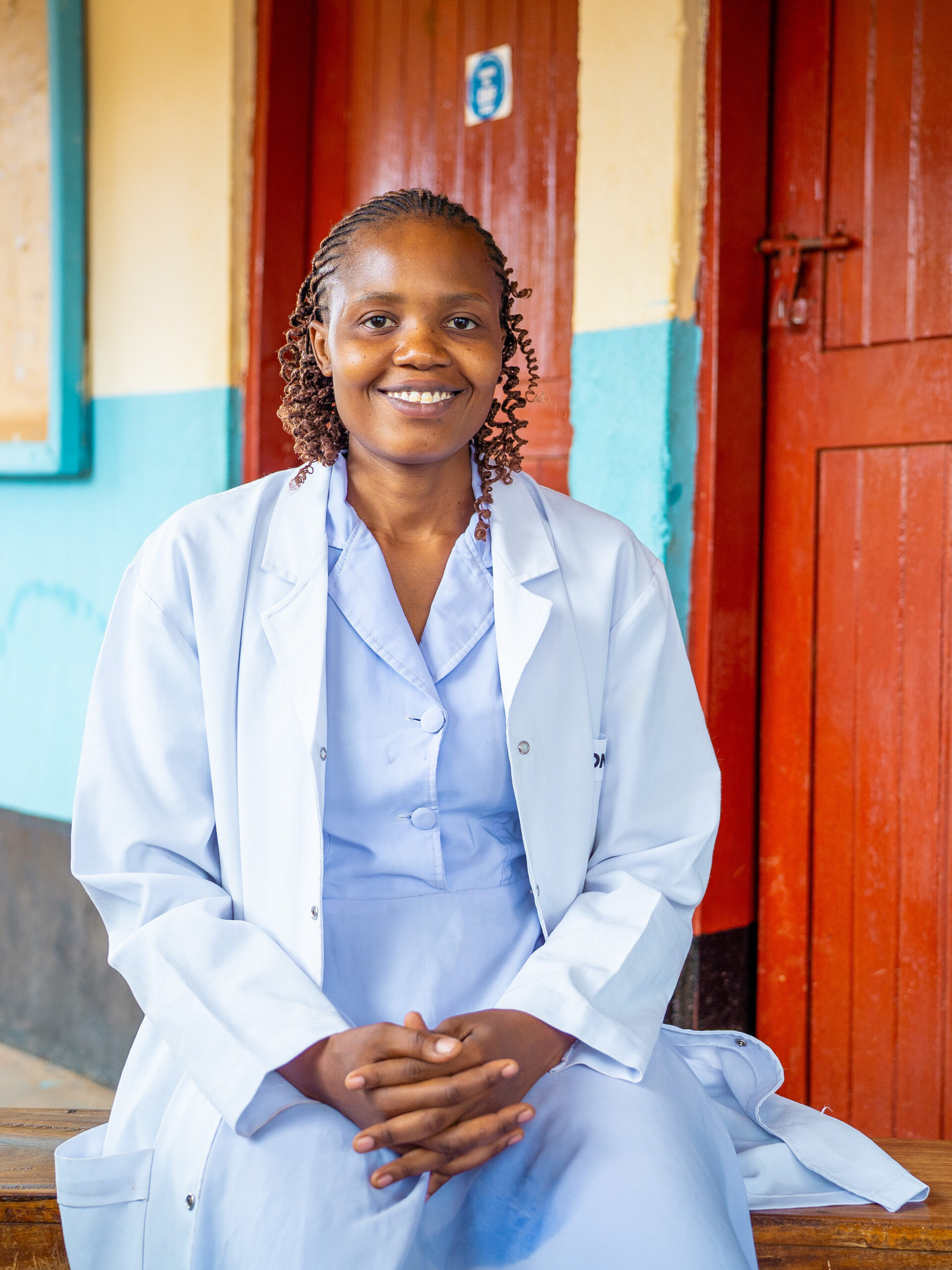
Grace has experienced both the challenges of the past and the progress of today, making her a powerful witness to the positive change in her community’s healthcare environment. Read Grace’s story here.
Further Information
- Watch the start of Water For People’s journey in Tanzania here on YouTube.
- ¹ Water For People monitoring results in Mpwapwa, Tanzania.
- Half of all Tanzanians live on $1.90 a day. The World Bank, "Tanzania Mainland Poverty Assessment: A New Picture of Growth for Tanzania Emerges (Executive Summary)," 2019.
- Tanzania loses $2.4 billion annually due to inadequate WASH services. The World Bank, "Tanzania Economic Update: Universal Access to Water and Sanitation Could Transform Social and Economic Development," 2023.
- Diarrhea ranks 2nd among the top 10 diseases of children under age five. World Health Organization (WHO), "Child mortality under-5 years Fact Sheet," 2022.
- Girls and women in villages spend hours fetching water, which means time lost for education or income-generating activities. Further, 17% of girls miss school due to inadequate menstrual health and hygiene services. United Nations Children’s Fund (UNICEF) Tanzania, "Menstrual Health and Hygiene Situation among Schoolgirls in Tanzania Mainland and Zanzibar MHH Brief," 2021.