
Around the world, communities are experiencing water extremes. Too much water from floods and storms. Too little water during prolonged droughts. And in many places, the water is too polluted to drink.
From stronger hurricanes to wildfires and contamination, climate change is already disrupting water access – and threatening lives, livelihoods, and ecosystems.
The solution is clear: we must invest in climate-resilient water and sanitation systems that protect health, strengthen communities, and safeguard the planet.
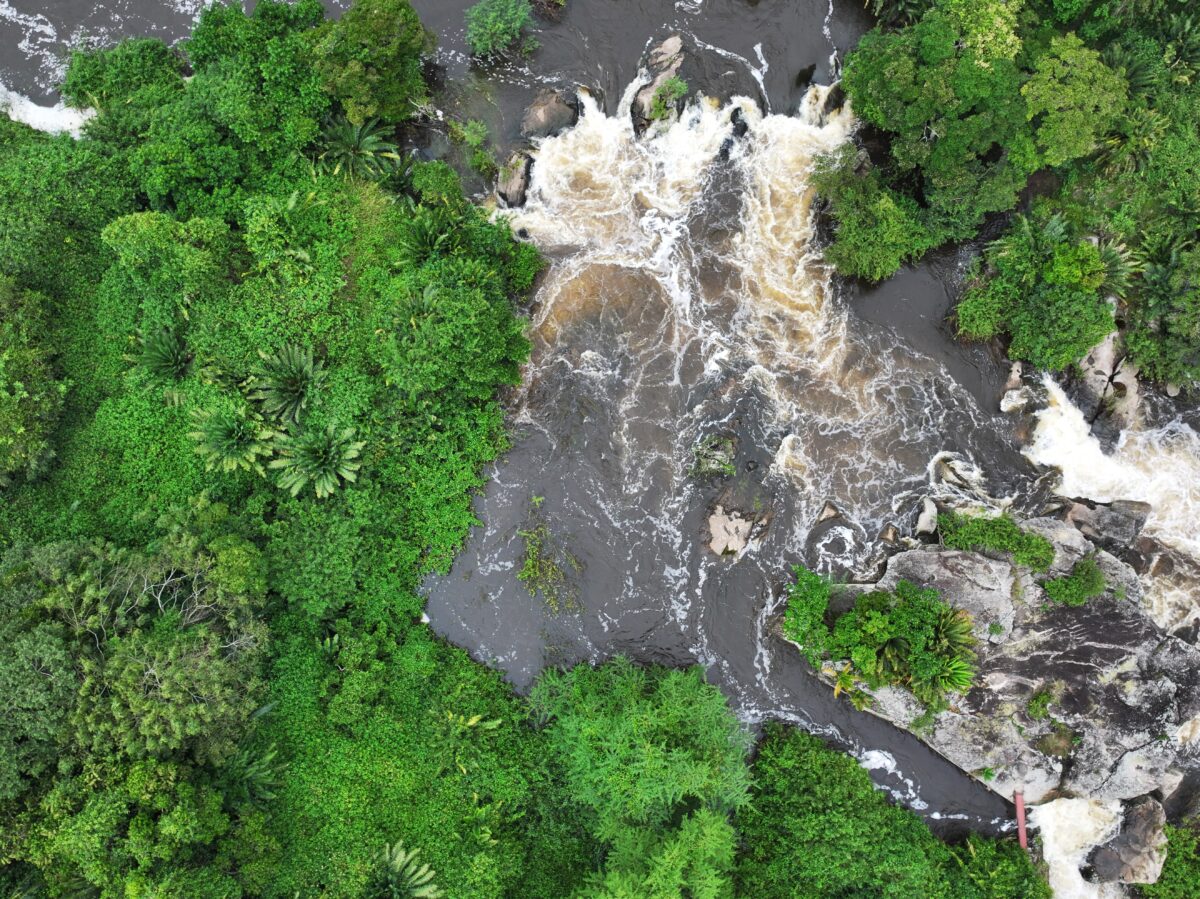
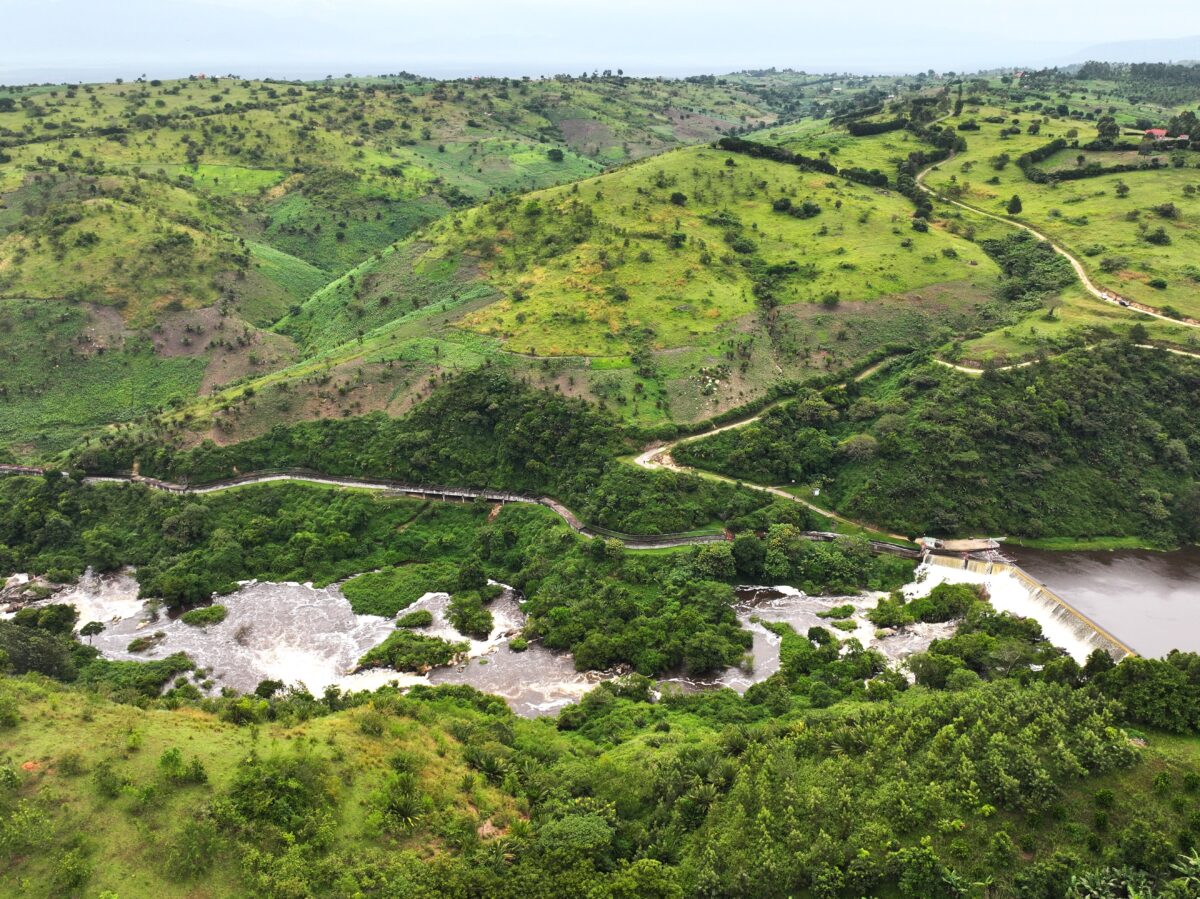
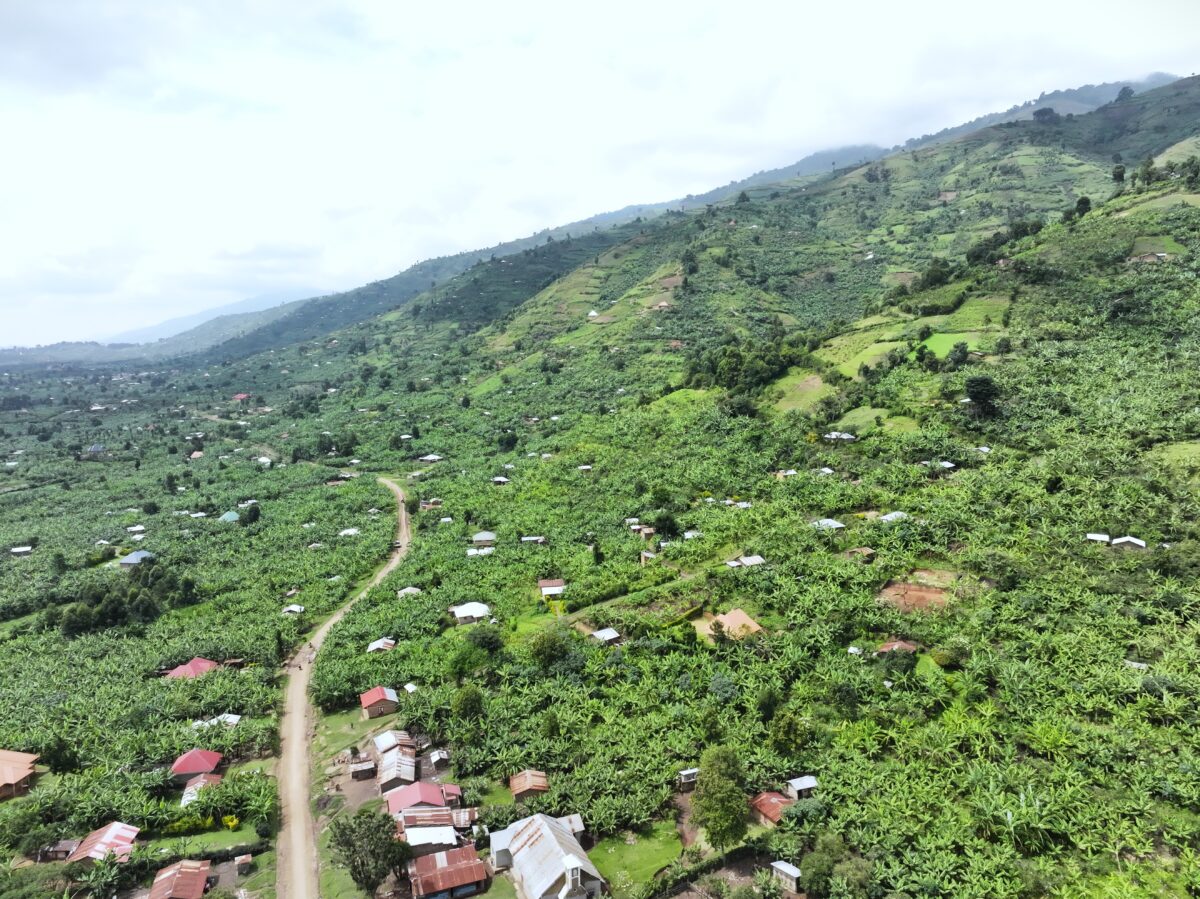
In Uganda, the Mpanga River is Distinctly Human
Families have lived beside the Mpanga River for generations. Winding through Western Uganda, it impacts an estimated 1.2 million people. More than a watercourse, it is a lifeline – supporting forests and wildlife, nourishing farmlands, and sustaining livelihoods.
This river’s pulse is distinctly human.
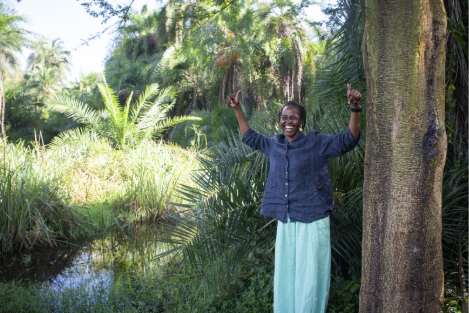
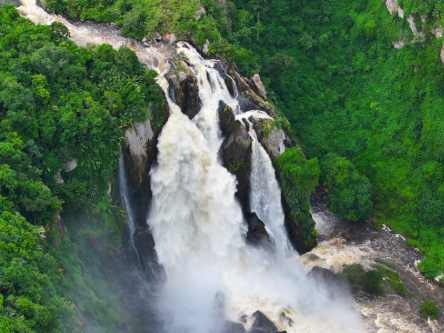
"When the catchment flourishes, my work flourishes too," shares Grace Kanweri, Senior Program Officer with Water For People in Uganda. Ensuring communities have access to water of adequate quantity and quality depends on how well the Mpanga catchment is preserved. When it isn’t, water supply is compromised, water, sanitation, and hygiene infrastructure becomes more costly to maintain, and efforts to mobilize and advocate alongside communities are less fruitful.
Starting high in the Rwenzori Mountains, the Mpanga River gathers strength from mist and moss before flowing through a vast catchment spanning more than 2,000 square miles. But that strength is increasingly under pressure.
"I was born, raised, and schooled within the Mpanga Catchment. I’ve seen the good days of the Mpanga River – and I’ve listened to elders, including my parents, about when it ran full year-round, when wetlands and tributaries were intact, when the water was clear enough to wash white linen without a second thought. Today, erosion from human activity has turned it brown," remembers Grace.
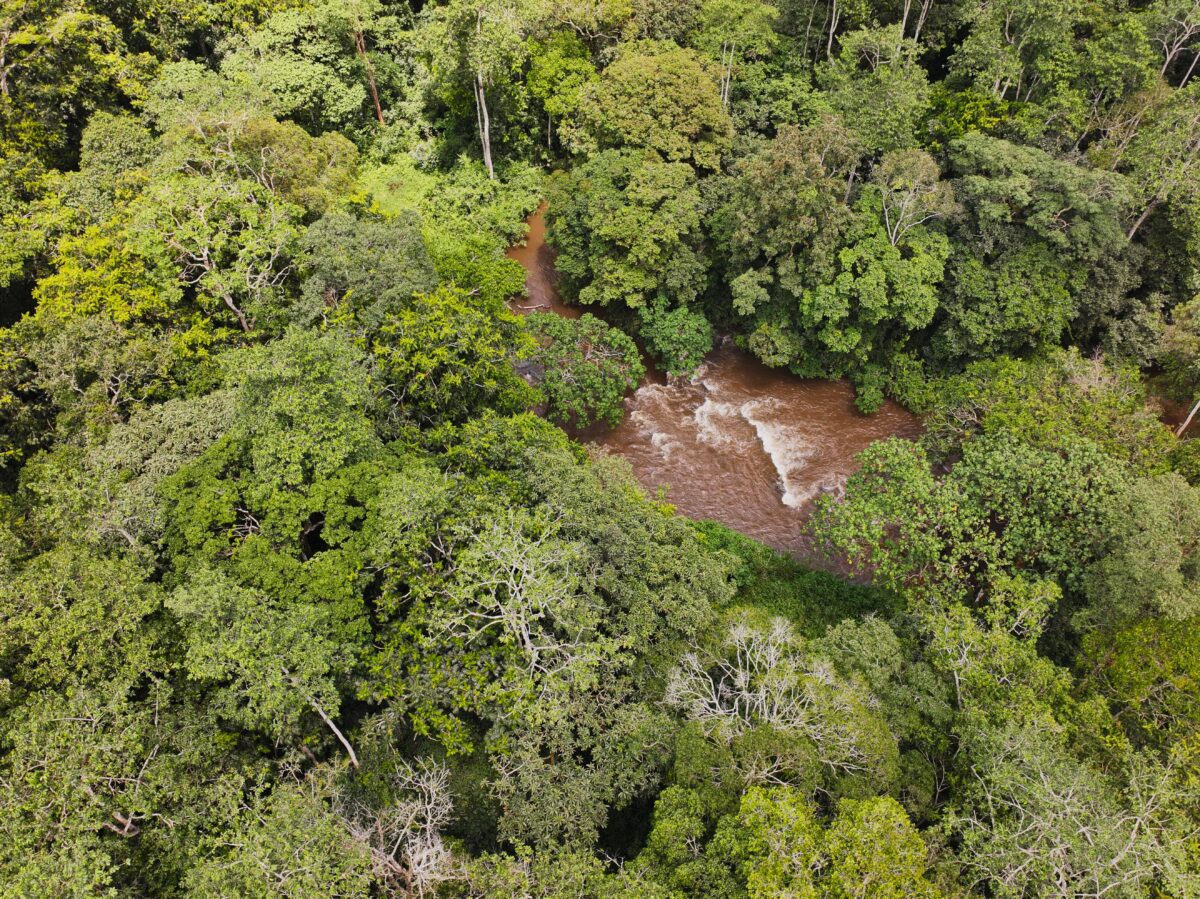
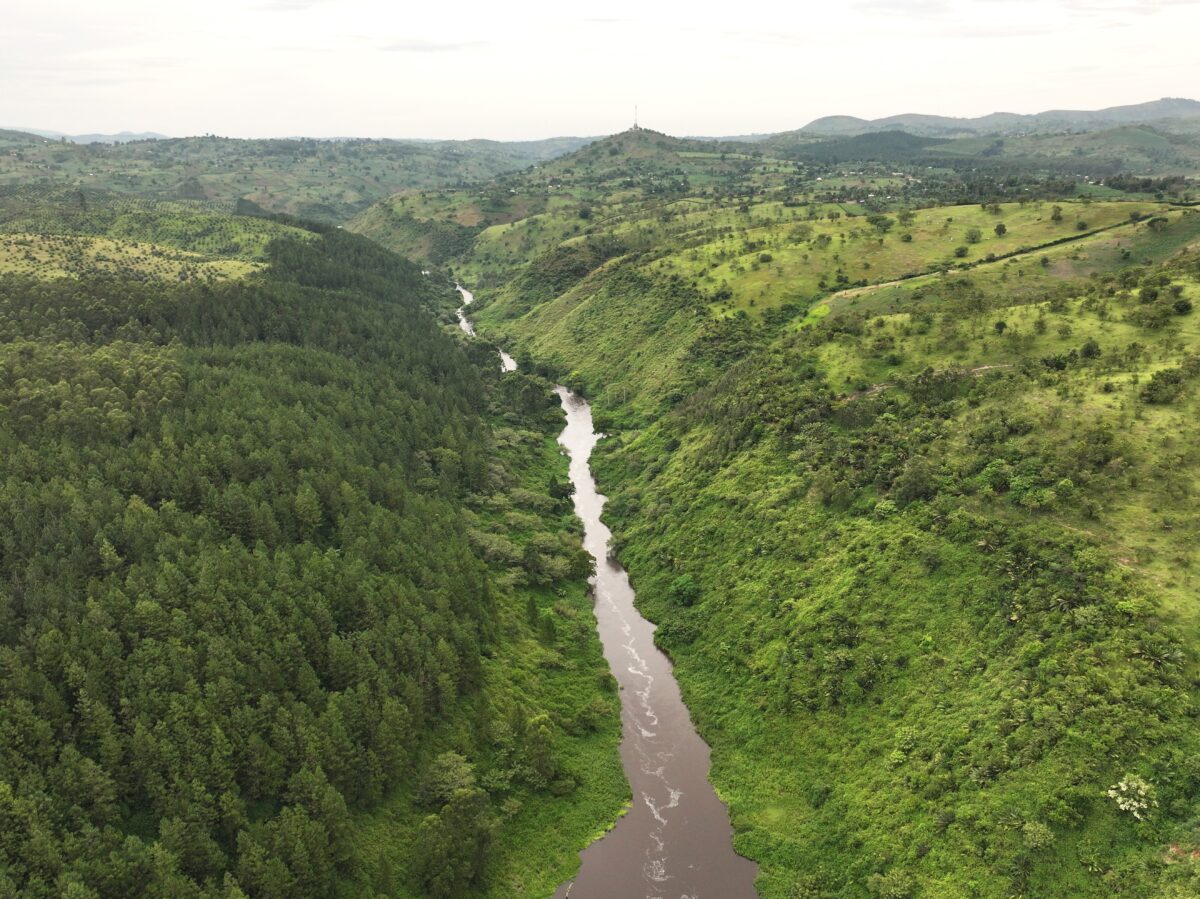
Where seasons once blurred and planting happened year-round, degradation has brought sharper dry spells, strained livelihoods, and growing uncertainty. Still, hope remains.
"I’m proud to be part of efforts like the Mpanga Water Fund that are restoring the river my ancestors knew, and creating a catchment my children and grandchildren can take pride in," she shares with importance.
Biodiversity in Kibale National Park
The Mpanga River runs through Kibale National Park, a biodiverse rainforest home to 13 primate species – including Uganda’s largest population of chimpanzees – as well as birds, elephants, and a variety of mammals. More than 20 crater lakes are natural reservoirs that regulate river flow, reduce floods and droughts, and recharge groundwater. Supporting local livelihoods, these water bodies support biodiversity, provide water for irrigation and household use, and enhance tourism and fisheries.
The Mpanga River and its catchment traverse three National Parks: Rwenzori National Park upstream, Kibale National Park midstream, and Queen Elizabeth National Park downstream. The National parks are home to a variety of wildlife species.
Lake George, where the river flows downstream, is a Ramsar Site (wetland of international importance) and a source of fishing. Along the Mpanga Gorge, one of the world’s most endangered endemic plants, the cyad, grows nowhere else on earth.
Biodiversity here isn’t only ecological. It’s cultural.
About 90% of the Mpanga River and catchment lie within the Tooro Kingdom. Preserving this catchment is preserving our cultural heritage – our staple foods, medicines, clans, and totems. As these ecosystems degrade, the symbols that define us risk disappearing too.
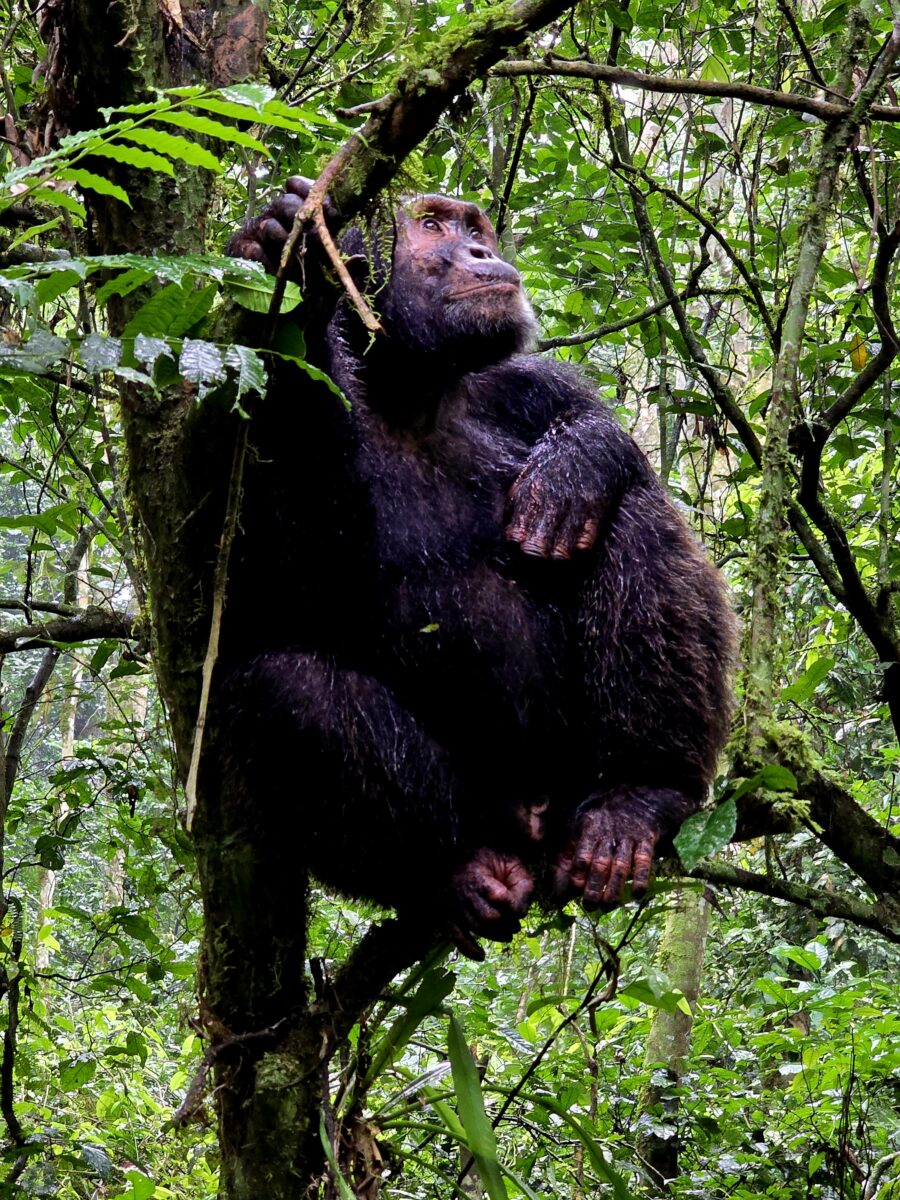
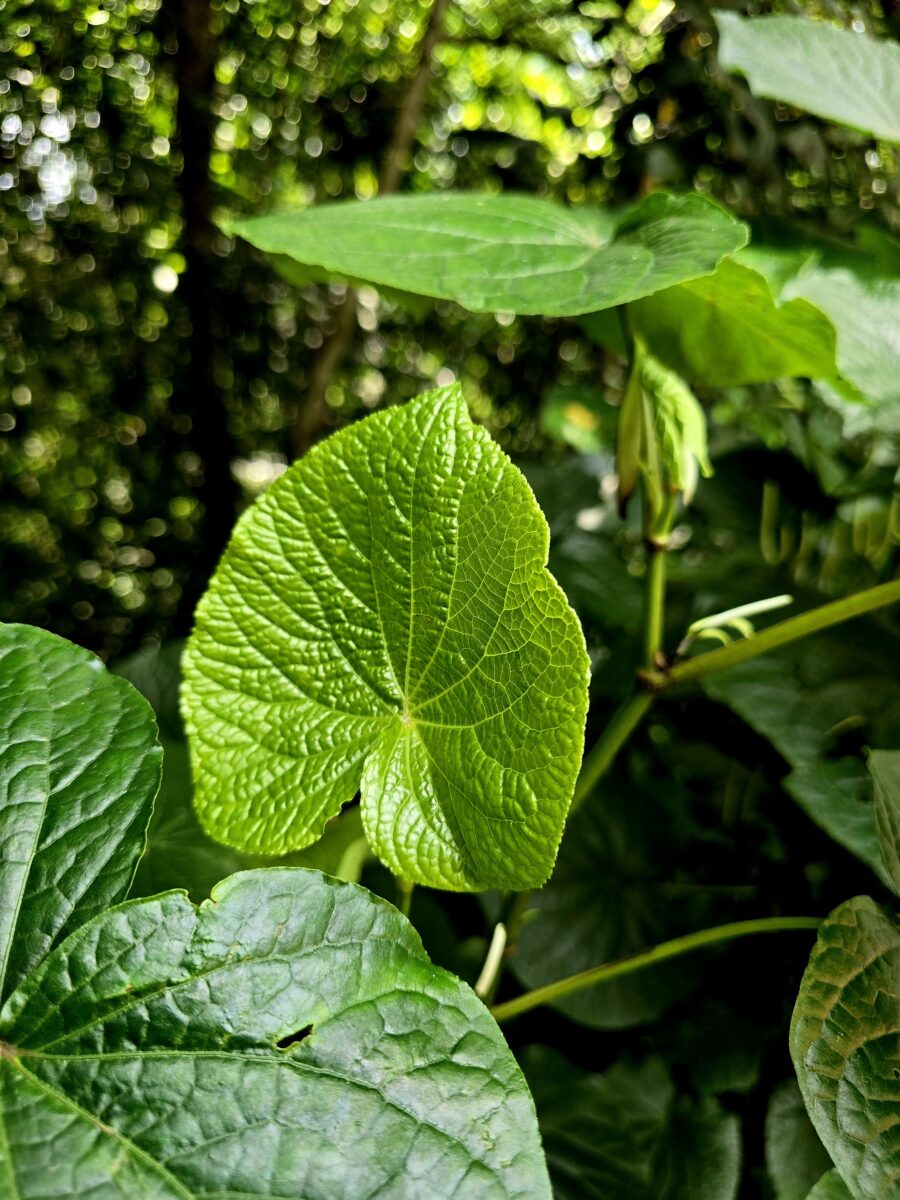
From medicinal plants to sacred species, the natural environment sustains identity as much as it sustains life.
"My clan’s totem, the monkey, is threatened as forests and wetlands disappear. Even spiritually, the changes are felt. As a child on Palm Sunday, we gathered palm branches freely for church. Today, wetland loss means palms are scarce and families must buy what was once abundant," says Grace.
To protect the Mpanga River is to protect culture, faith, and future generations.
Collaboration to Protect Our Planet
The Mpanga River is of multisectoral importance as it supports agriculture, biodiversity conservation, domestic water supply, and hydroelectricity
It is a source of domestic water supply through two National Water Sewerage Corporation water abstraction and treatment plants. Upstream, the river is a source of water for irrigation in the Presidential model village of Rwengaaju, and downstream, in the Kitagwenda district, the waterfalls in the Mpanga Gorge, as well as being a source of water for 18 Megawatt hydropower generation plant.
Spearheaded by Water For People in partnership with Uganda’s Ministry of Water and Environment – and supported technically by The Nature Conservancy – the Mpanga Water Fund brings people together to protect this vital catchment.
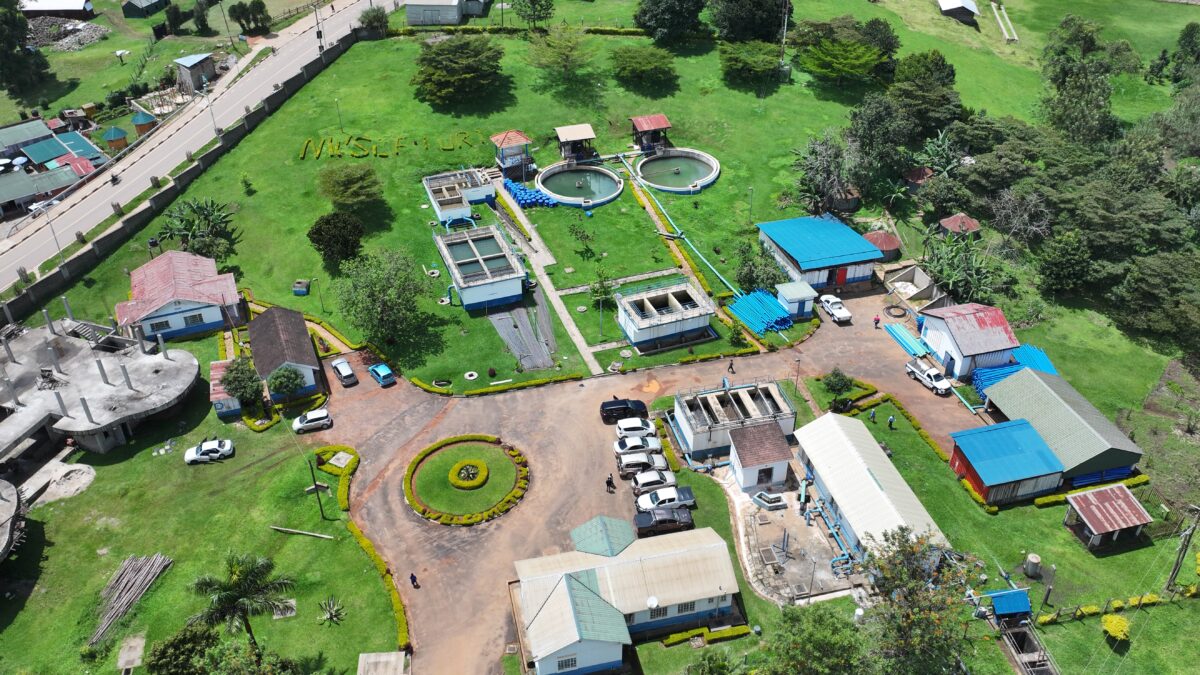
Through targeted interventions, the fund works to safeguard and restore forests, wetlands, and riverbanks – strengthening the natural systems communities rely on every day.
The Mpanga Water Fund builds long-term governance and financing. By aligning water utilities, businesses, hydropower operators, local government, and communities, the fund makes shared stewardship possible for nature, and people can thrive together.
When Water Systems Last, Communities Flourish
As forest cover decreases and wetlands shrink, the catchment is under growing pressure and the water’s quality and quantity are threatened and community resilience is at stake.
"Conserving Mpanga goes beyond my professional role. It protects what culturally defines me. I will always be a steward. And I will always mobilize others to care for this vital resource," Grace shares with an understanding of the collaboration needed for sustainability.
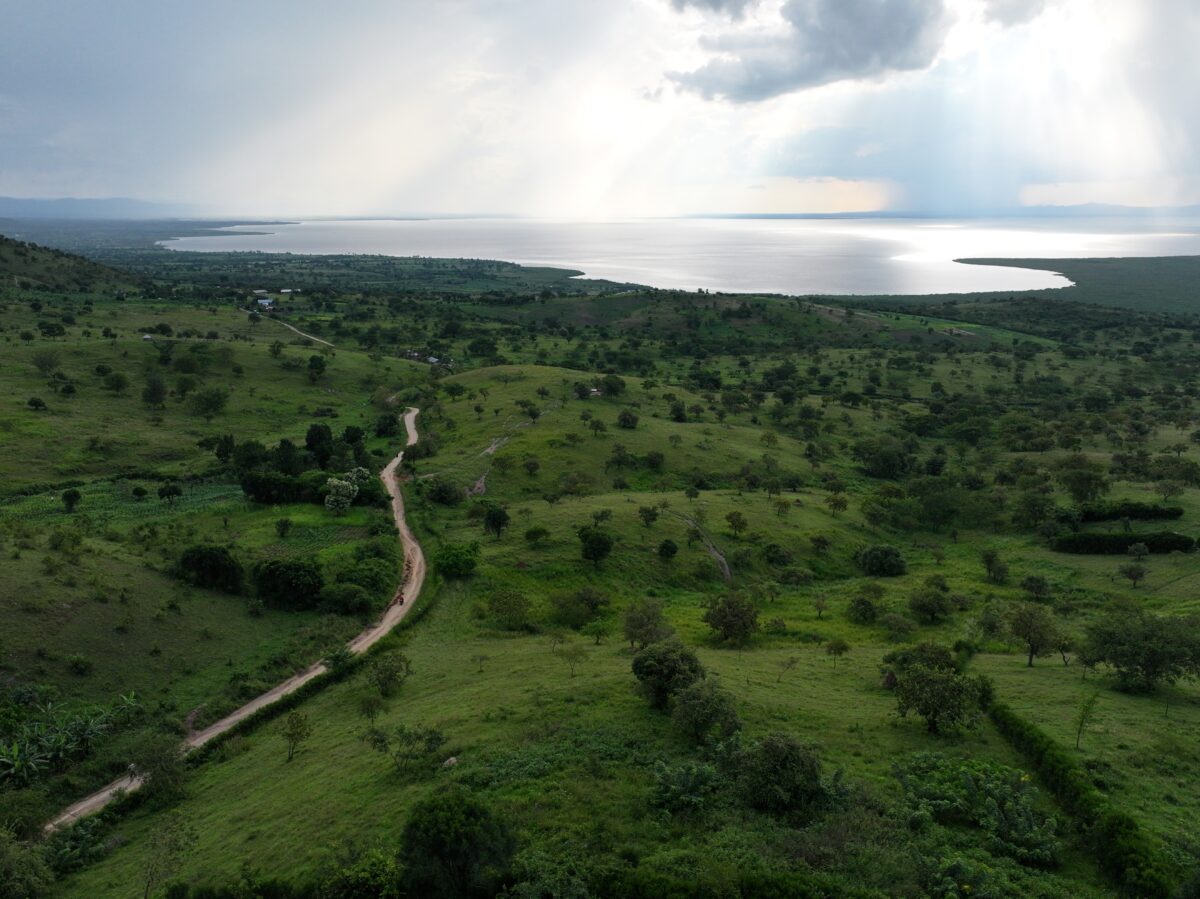
When water systems last, communities flourish. And when communities lead, change lasts for Everyone, Forever.
Support Access to Clean Water
Your donation to Water For People creates access to clean water and safe toilets for people around the world – sustaining our planet, improving health, unlocking economic opportunities, supporting education, and empowering families.
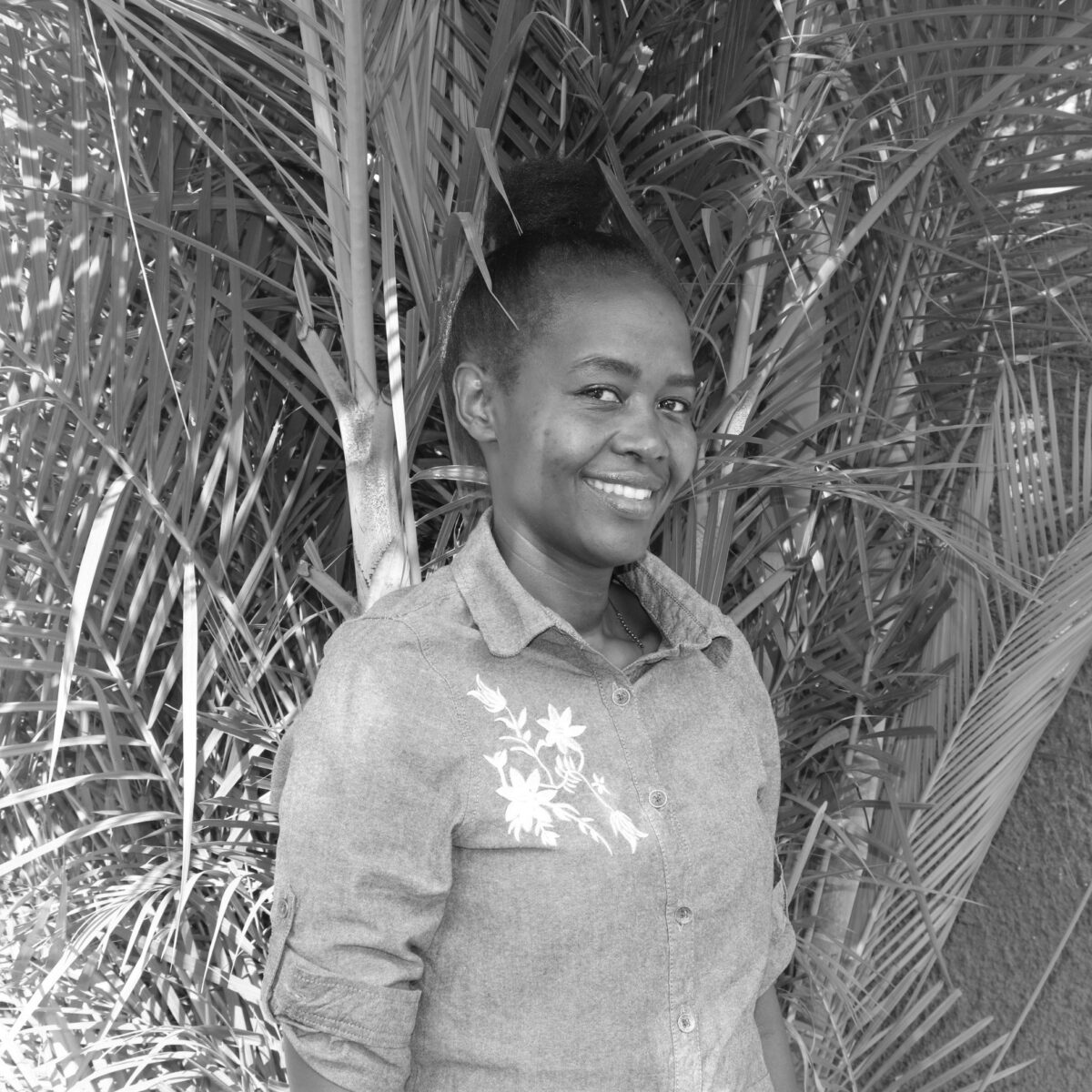
Authored by: Grace Kanweri, Senior Program Officer, Water For People Uganda
Credit to John Gathagu, ariel videos and photos
Credit to Faith Esika, ground photos