
Peru
34,00,000+ total population of Peru
49% of Peruvians have access to safely managed drinking water services.¹
56% of people in Peru have access to safely managed sanitation facilities.²
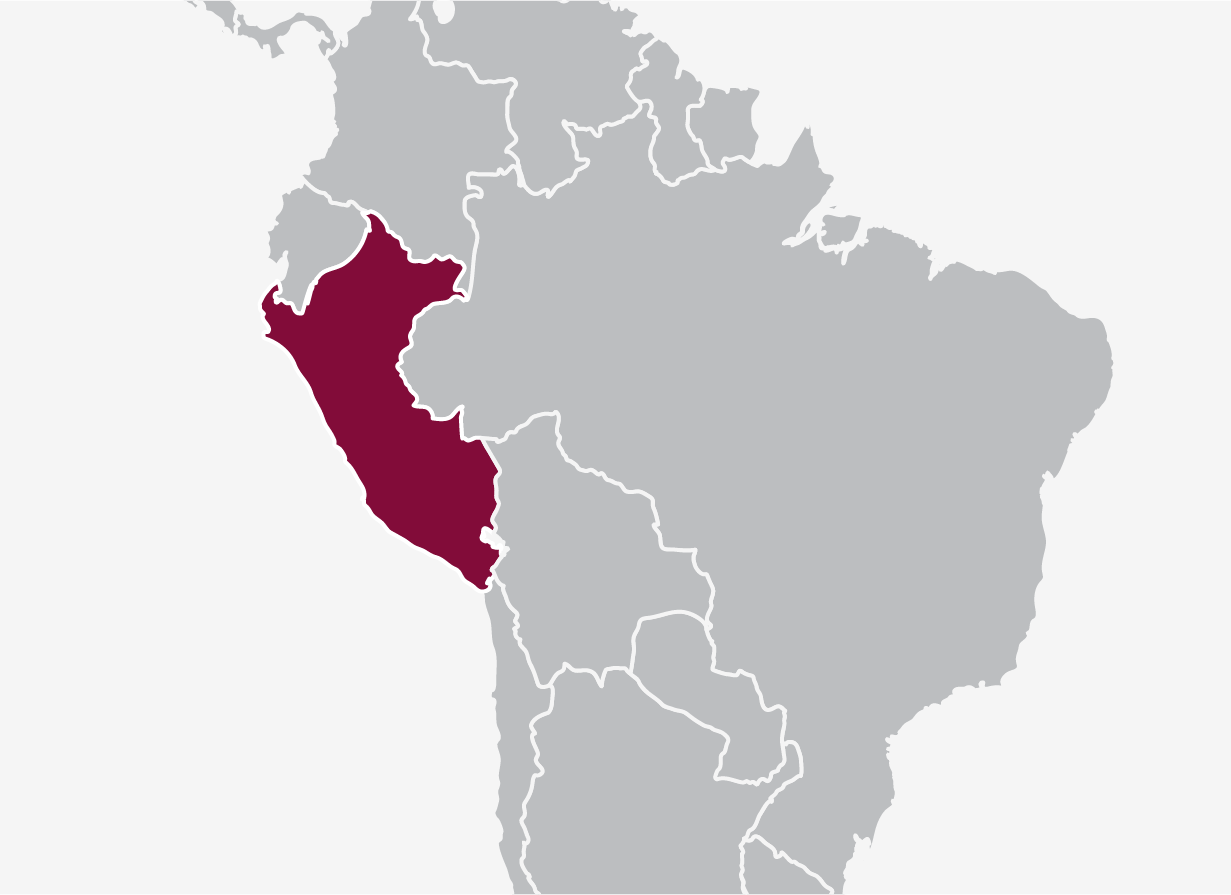
Water For People in Peru
0+
People in Peru reached with reliable water servicesPeru is a country of deep history, megadiversity, and varied landscapes of mountain peaks, arid plains, and Amazon basins. But it’s also among the world’s most water-insecure countries. With increasingly unpredictable rainfall and shrinking glaciers due to climate change, the rural populations who depend on agriculture see water scarcity as an existential threat to their livelihood.³
Across the country, 49% of Peruvians have access to safely managed water services. However, this figure is
significantly lower in rural areas – just 23%. This divide is even greater when it comes to sanitation: 56% of people in Peru have access to safely managed sanitation facilities, but in rural areas, safe coverage is nearly nonexistent, and 7% practice open defecation.⁴
Water For People is committed to increasing sustainable water and sanitation coverage – especially among rural populations. Our work across the three districts aims to reach every household, school, and health clinic with lasting access for Everyone Forever. By working alongside governments, community members, and businesses, we’re strengthening livelihoods, improving health, and building resilience to climate change. Water For People began working in Peru in 2008 and started implementing the Everyone Forever model in 2011 in the district of Cascas. Through this work, over 30,000 Peruvians now have reliable water services.
"Each of us, regardless of where we are, whether it’s the smallest, furthest away little village in Peru or the wealthiest neighborhood in Manhattan, has a role related to water. It’s up to all of us to ensure that the next generations have access to safe water."
Gisela Murrugarra
Country Director, Water For People Peru
• Build, repair, and expand piped water systems, including in rural areas, alongside local government and community partners
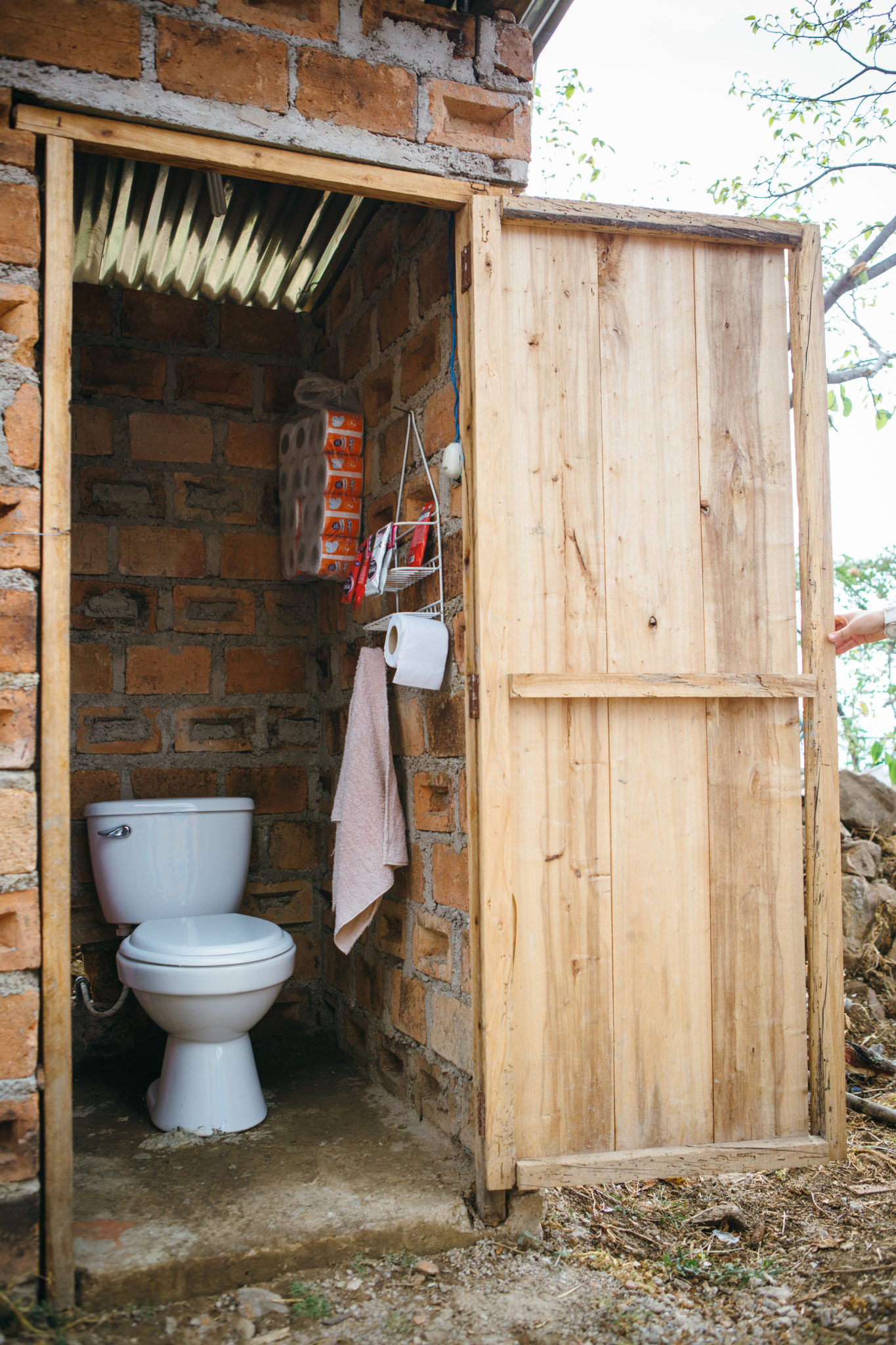
• Raise awareness about the importance of household sanitation
• Support families to build bathrooms through access to microfinancing
• Train local masons and entrepreneurs in sanitation technologies and business practices
• Promote menstrual hygiene education and resources for students
• Develop lessons on water, handwashing, hygiene habits, and the environment for schools
• Develop innovative approaches for water quality and reuse, including nitrate and iron removal
• Pilot nature-based wastewater treatment through artificial wetland construction
• Provide national-level advisory services to scale the Everyone Forever model to other districts
• Coordinate with institutions and partners across the sector, such as national ministries, the World Bank, and the National Rural Water Supply and Sanitation Program
• Train water committees to manage their community water systems, including setting tariffs, monitoring water quality, and making repairs
• Support watershed protection and long-term water source management
We are currently implementing Everyone Forever in three districts in Peru: Asunción, Cascas, and Reque.
Water For People brings together communities, local businesses, and governments to build, operate, and maintain their own water and sanitation systems. This approach – called Everyone Forever – ensures that every family, health clinic, and school has reliable, long-term access to safe water and sanitation.
Lasting access to water, sanitation, and hygiene requires more than short-term solutions – and more than local action alone. That’s why Water For People makes long-term investments and partnerships with districts, while also working at the national level to strengthen policies and financing.
Working with communities, service providers, and government at all levels, Water For People focuses on strengthening the systems needed for lasting services, including:
• Aligning with the national framework to increase investment in the water and sanitation sector
• Building political will and support to prioritize water and sanitation
• Strengthening technical skills through a nationally accredited certification program
• Improving monitoring systems to support better decision-making
• Increasing demand for reliable, affordable water and sanitation services
Meet The People
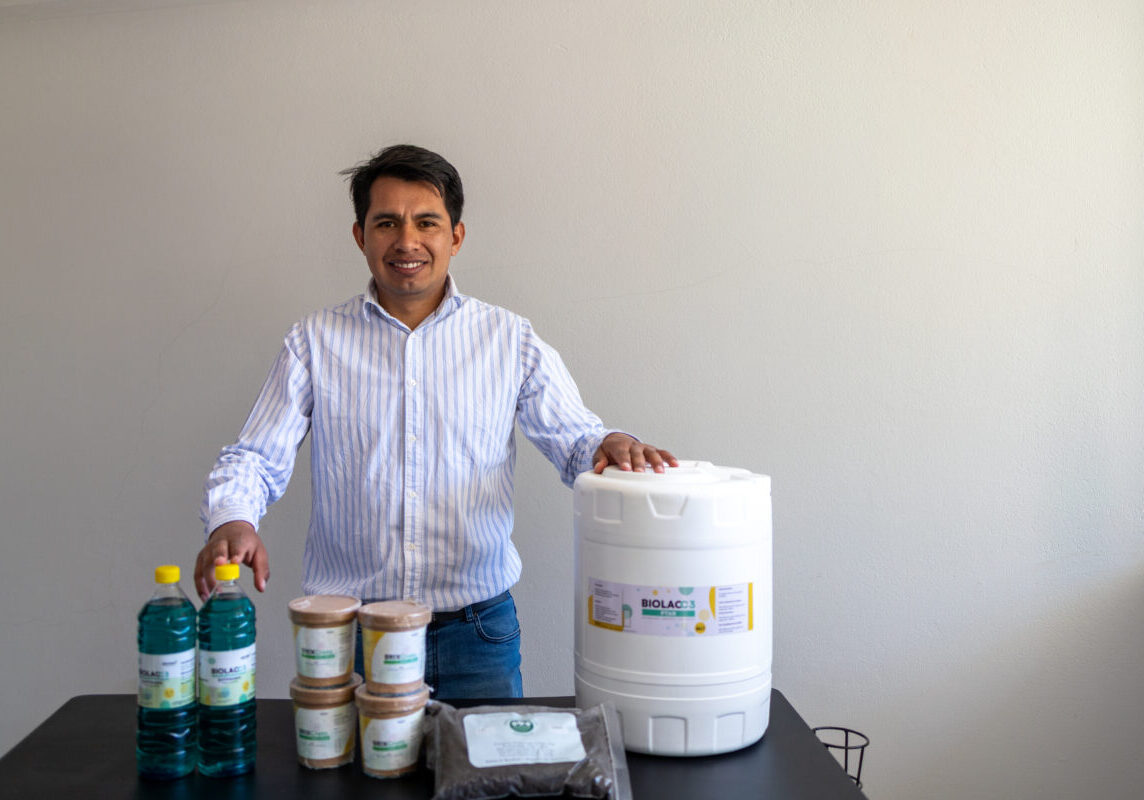
A Start-Up Changing the Bathroom Experience
Fuller Cruzado grew up in rural Peru, where using a bathroom was often uncomfortable. Rather than accept it, he set out to change the experience. He founded Brixsan, a local business that develops biological solutions. With support from Water For People, entrepreneurs like Fuller are bringing new sanitation solutions to rural communities.
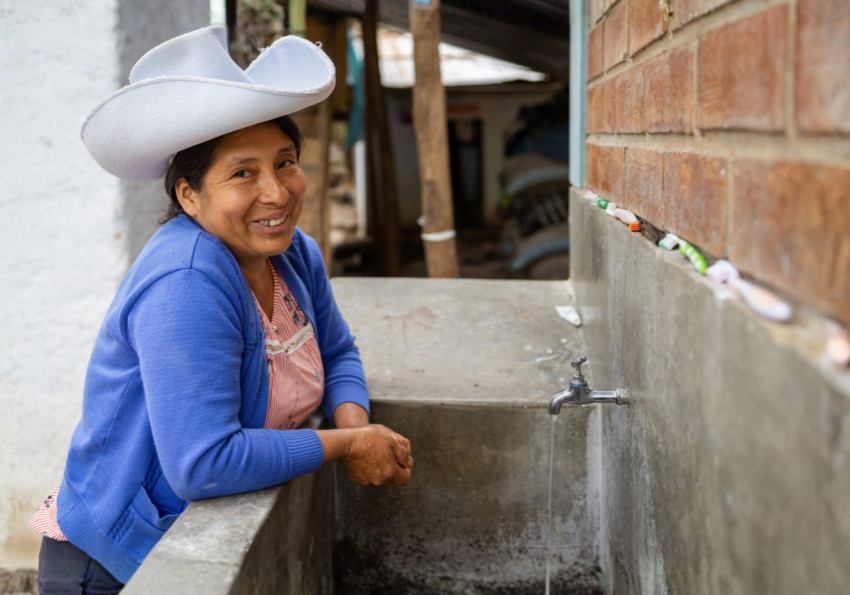
A Girl’s Future Starts With Water
In rural Peru, safe water is transforming daily life: protecting children’s health, keeping girls in school, and giving families time to work, learn, and thrive. Through community leadership and local ownership, sustainable water systems are creating opportunities that last for generations.
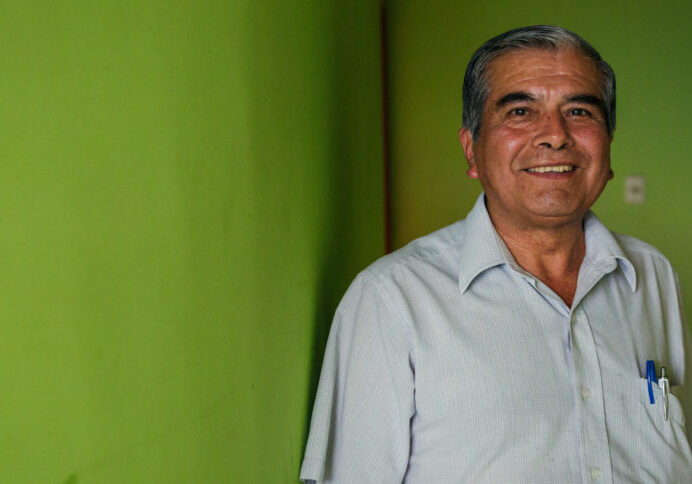
See the Work in Action
Watch nature-based solutions come to life in Peru as the team builds artificial wetlands for water treatment in Reque.