
A Girl’s Future Starts With Water
How Fabiola Ensures Clean Water For Everyone Forever in Peru
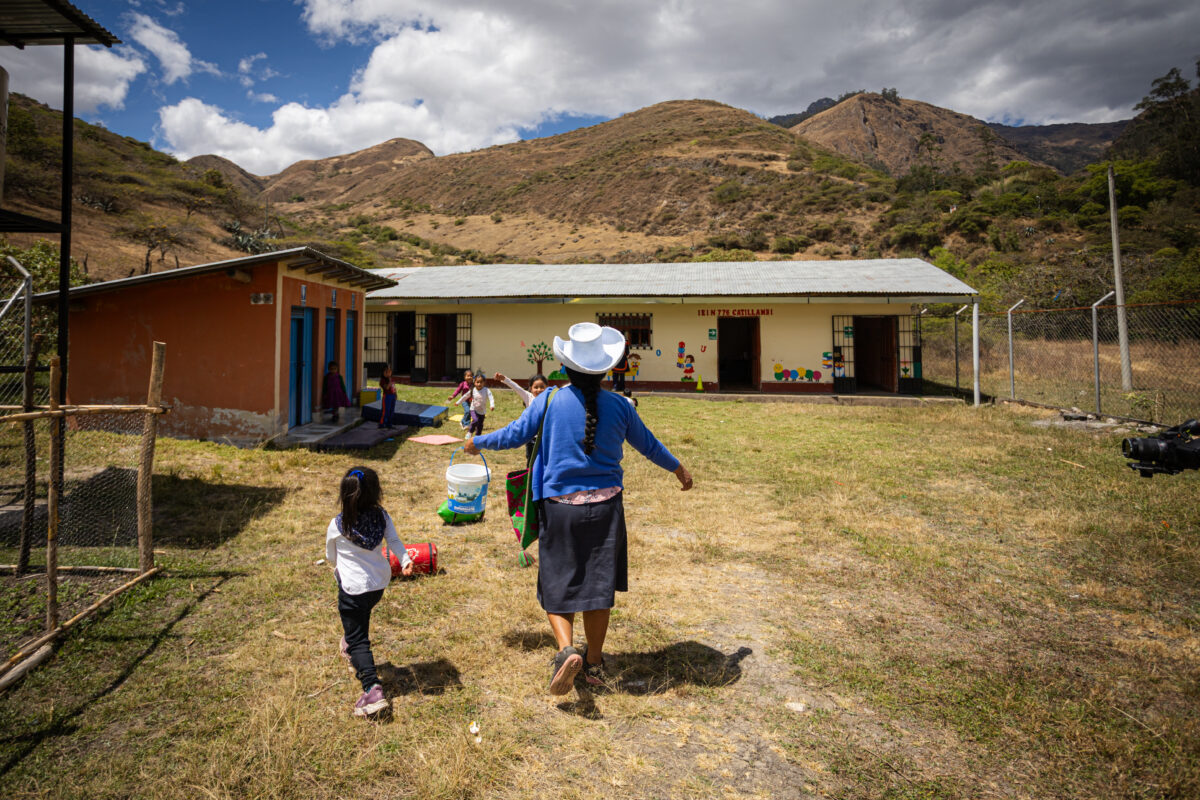
When a little girl runs across the schoolyard into the caring embrace of Fabiola, it celebrates a moment of trust every child deserves – safe water they can drink without fear.
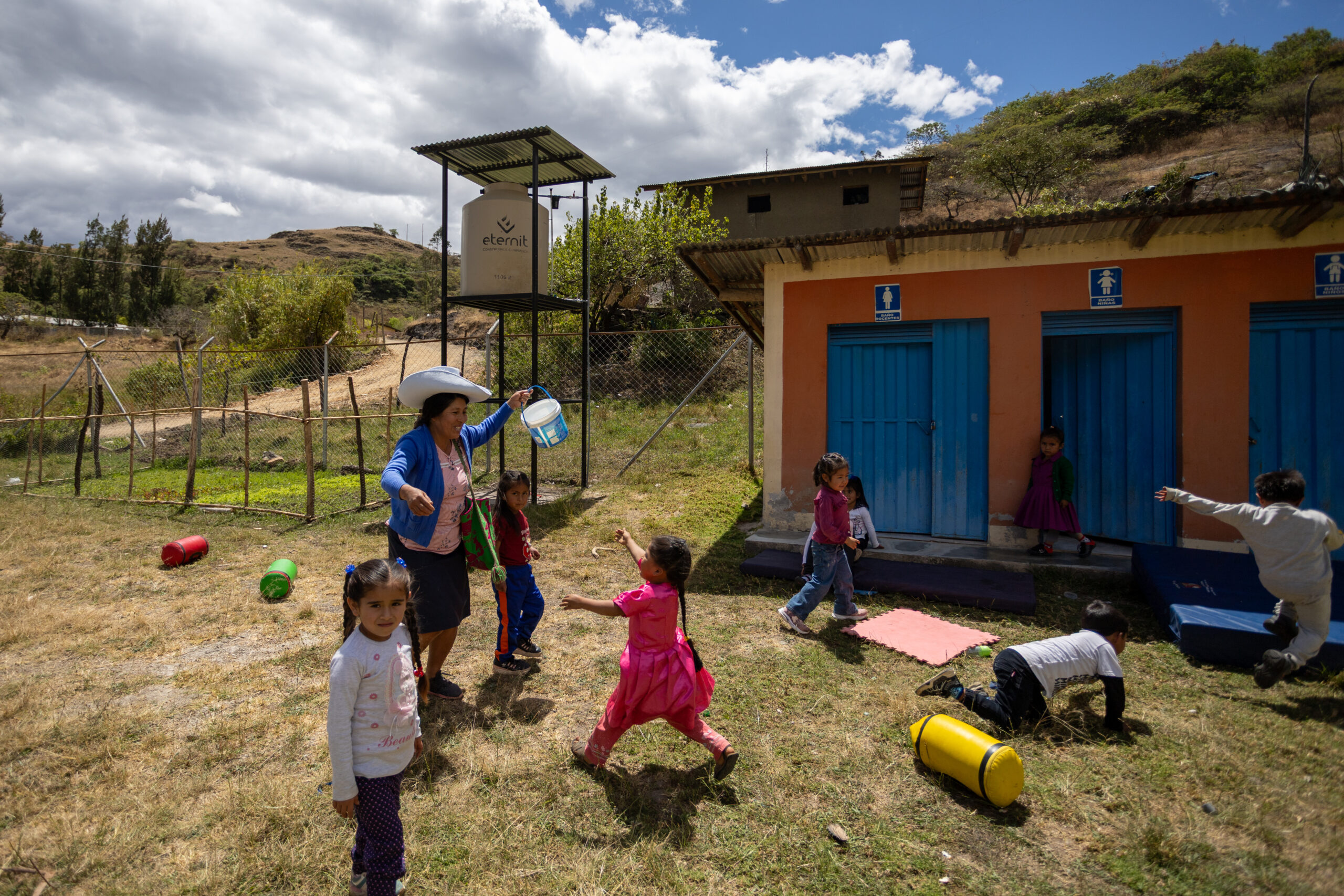
Tucked away in the rural mountains of Peru, Fabiola Alvarado spends her days farming, raising her two children, and sustaining her community in a quiet but powerful way – volunteering as the operator of the water system that Water For People and her community installed together.
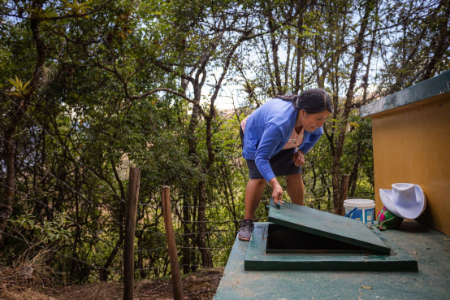
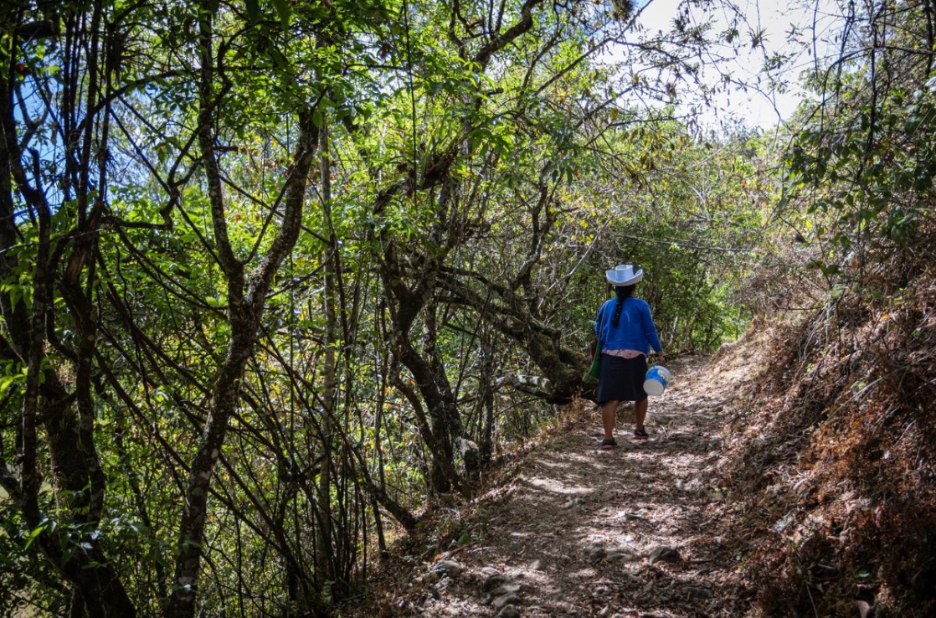
Twice a month, before the day gets too hot, Fabiola picks up her white hat, woven bag, and blue bucket, and walks up a narrow path winding between trees and shadows.
She walks with calm assurance as she heads to the reservoir where safe water begins.
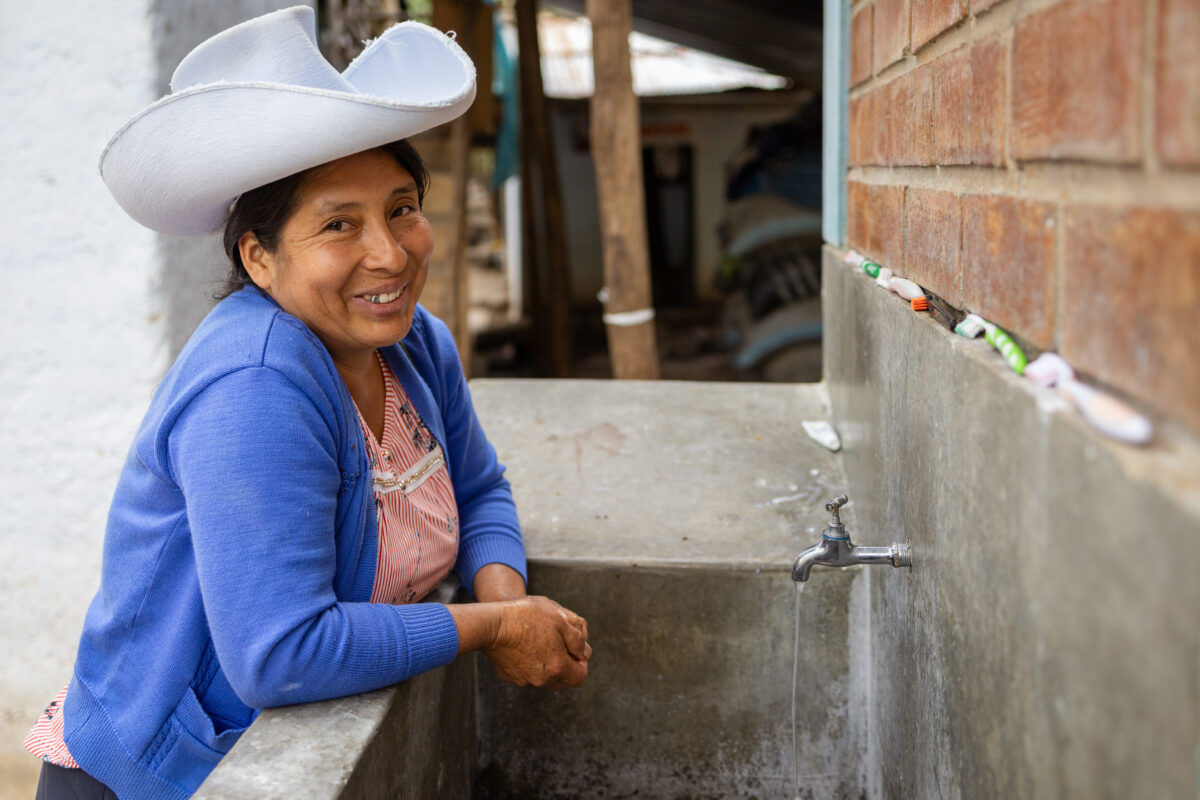
Fabiola is living proof that her community has overcome a challenge that marked her own childhood: the lack of safe water.
The global water crisis affects everyone – but not equally. Where people lack safe drinking water and sanitation close to home, inequalities flourish, with women and girls bearing the brunt.
It starts when they are four, sometimes younger, joining the older girls and women walking miles each day for clean water for their families. From there, every aspect of a girl’s life – school, safety, health, economic opportunity – is impacted by the lack of access to safe water and sanitation.
Globally, women and girls are responsible for collecting water in 7 out of 10 households without access to water.¹ Adding to all of this are the effects of climate change. When you’re already walking miles to collect water, drought or flooding complicates that task even further.
And too often, the systems that govern water leave women and girls out of decision-making, leadership, funding, and representation. Water For People addresses this challenge with a transformative, rights-based approach that hears women’s voices and recognizes their agency.
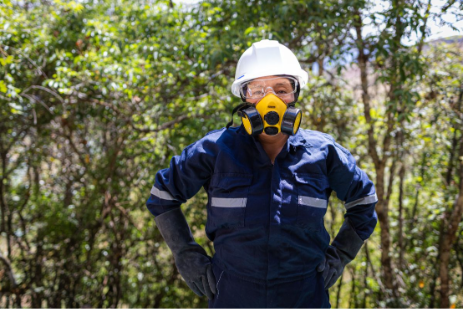
We take action for women to be equitably represented at all levels of water leadership – helping design every pipe and policy. We amplify stories of the women who drive change in water as engineers, farmers, plumbers, sanitation workers, and community leaders.
A girl’s future starts with safe water
Fabiola remembers what it was like to live without water. She remembers carrying buckets as a child. A school without bathrooms, without privacy, without hygiene. She remembers the illnesses, the absences, the days when water wasn’t a blessing, but a concern. She remembers her mother walking long distances, sacrificing work and opportunity.
Today, when Fabiola looks at her 13-year-old daughter and 8-year-old son, she feels – in her body, not just in her thoughts – determination to ensure that story doesn’t repeat.
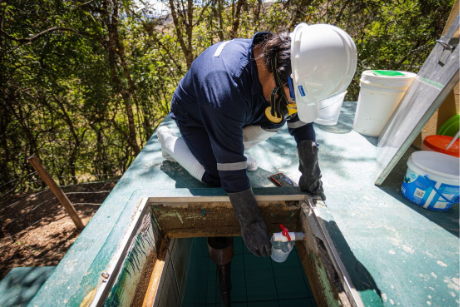
As an operator, after monitoring and treating the water, she walks down the mountain to visit the school or a nearby home. She wants to test that the water arrives just as clean as it was in the reservoir – in schools, homes, and health centers.
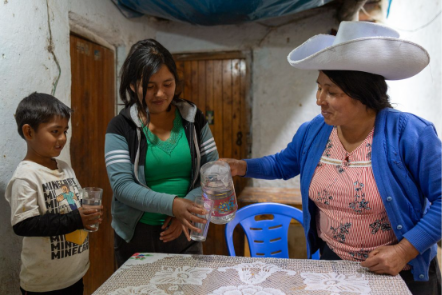
And that is where one of the most beautiful scenes of her routine happens: you can hear the students shout her name and run toward her for a hug. "Seño Fabiola!" they cheer. To them, she is the woman who cares for their water, the woman who makes it possible to wash their hands at school and at home, the woman whom they trust.
A little girl runs up to her, smiling with a full cup, "The water tastes good, Fabiola!"
Installing the safe water system was a collaborative effort between Water For People, the local municipality, and the community. In partnership, we built the system, formed a managing water committee, and established procedures so the services won’t deteriorate over time
But what keeps the system alive is not only the pipes and infrastructure – it’s the commitment of people like Fabiola who care for it. Every time she puts on her gear, measures a drop, and walks the path, she ensures children will drink water without fear.
Children miss fewer days of school.
Women no longer spend hours carrying water.
There are no more constant waterborne illnesses.
Families use their time to work, study, and rest.
The community thrives because people no longer spend their energy just trying to survive. And then there is Fabiola, day after day, sustaining a system that has changed everything.
When you ask her why she does it, Fabiola answers with words woven with care, "I do it with affection and love. Because I want my children and the whole community to feel safe when they drink the water that reaches their homes. That they don’t get sick anymore. That they don’t have to go fetch water anymore. That they can spend their time on other things that help them move forward."
By giving today, your donation will fuel trust, community ownership, and sustainability in water access. You aren’t just funding infrastructure, but building local capacity, strengthening systems, and empowering girls, women, and entire communities.
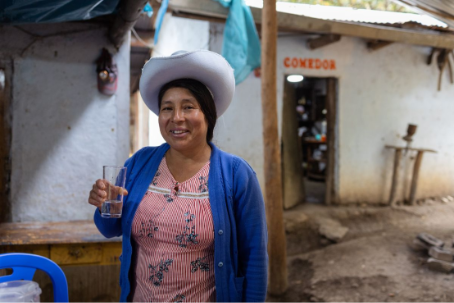
At home, at the end of the day, Fabiola pours a glass of water, sets it on her table, and smiles.
¹ "Progress on household drinking water, sanitation and hygiene 2000-2022: gender focus." Read the report from the WHO and UNICEF.
Additional Resources: UN World Water Day 2026, Where water flows, equality grows.