
Water Is Life: The Beautiful Game
A Child’s Education Improves With Clean Water:
School Stories from Honduras
Access to safe water, dignified bathrooms, and the knowledge and tools to practice good hygiene all lead to better health, improving students’ health, school attendance, and learning outcomes. But this access must extend beyond someone’s home.
This is why Water For People partners with schools – so the benefits follow a child wherever they go. Important lessons about safe water, sanitation, and hygiene extend beyond the classroom, as children practice healthy habits with their families at home.
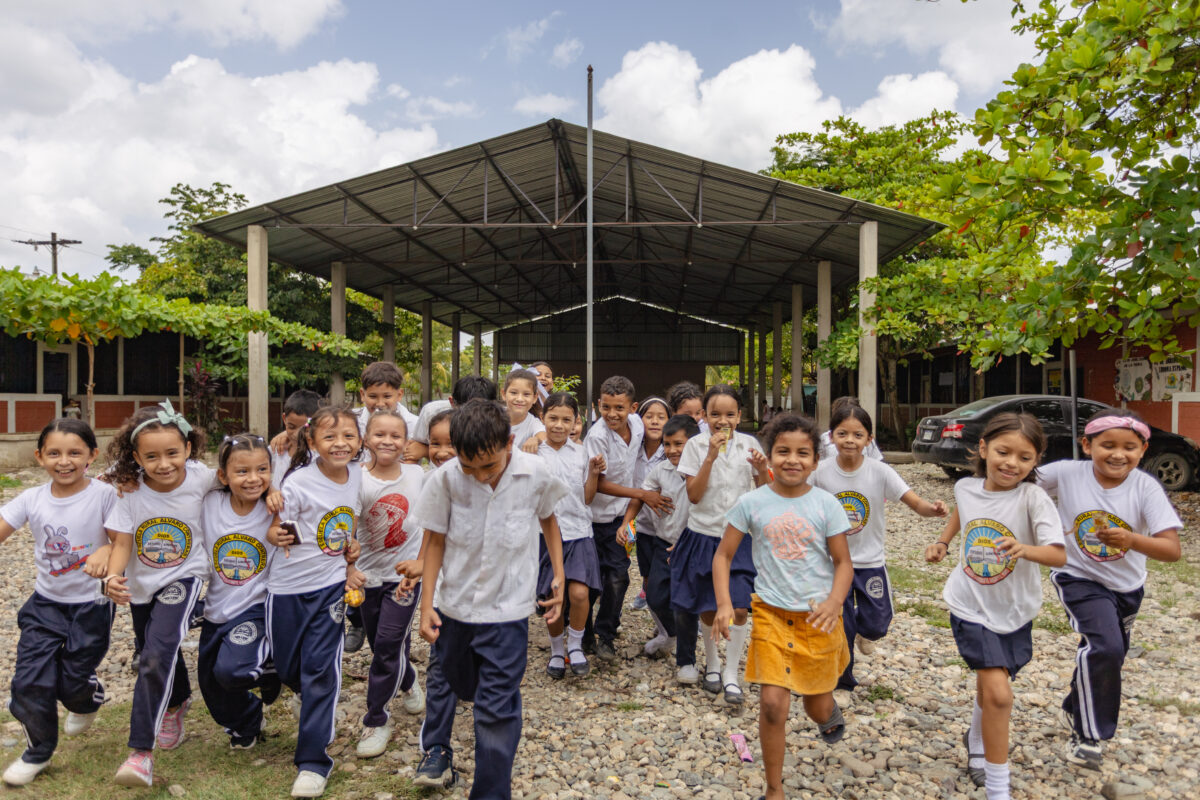
community’s partnership with Water For People.
Safe water prevents disease and promotes education
Time lost from collecting water or being sick from waterborne diseases keeps many children out of school. Without kids being able to advance their education, cycles of poverty often continue generation after generation. Once schools and families have water and sanitation facilities and menstrual hygiene resources, children can stay in school, and families have more opportunities to prosper.
We believe there can be a generation of children who never have to experience school without access to safe water and dignified toilets.
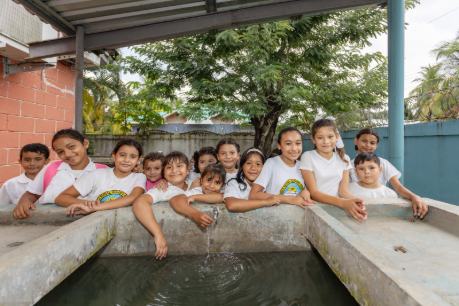
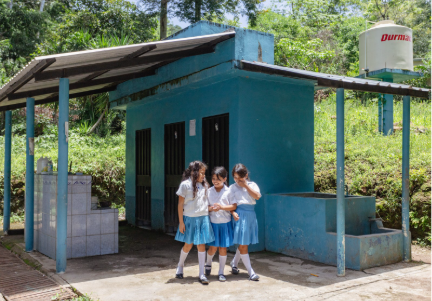
In rural Honduras, students are part of a new generation of children benefiting from these essentials. Students in Yoro and San Antonio de Cortés share how access to safe water and dignified bathrooms has impacted education.
Thanks to the collaboration among parents, local authorities, and Water For People, classrooms are healthier, safer, and supported – giving students a strong foundation to thrive in their education.
Football at recess, then back to math class
Luis is 11 years old and attends fifth grade at a rural school in Yoro, Honduras.
After playing, water is the first thing he looks for. He washes his face, drinks when he finishes a football game, and returns to the classroom feeling refreshed. Water helps him cool down, recharge, and continue his day in a better mood.
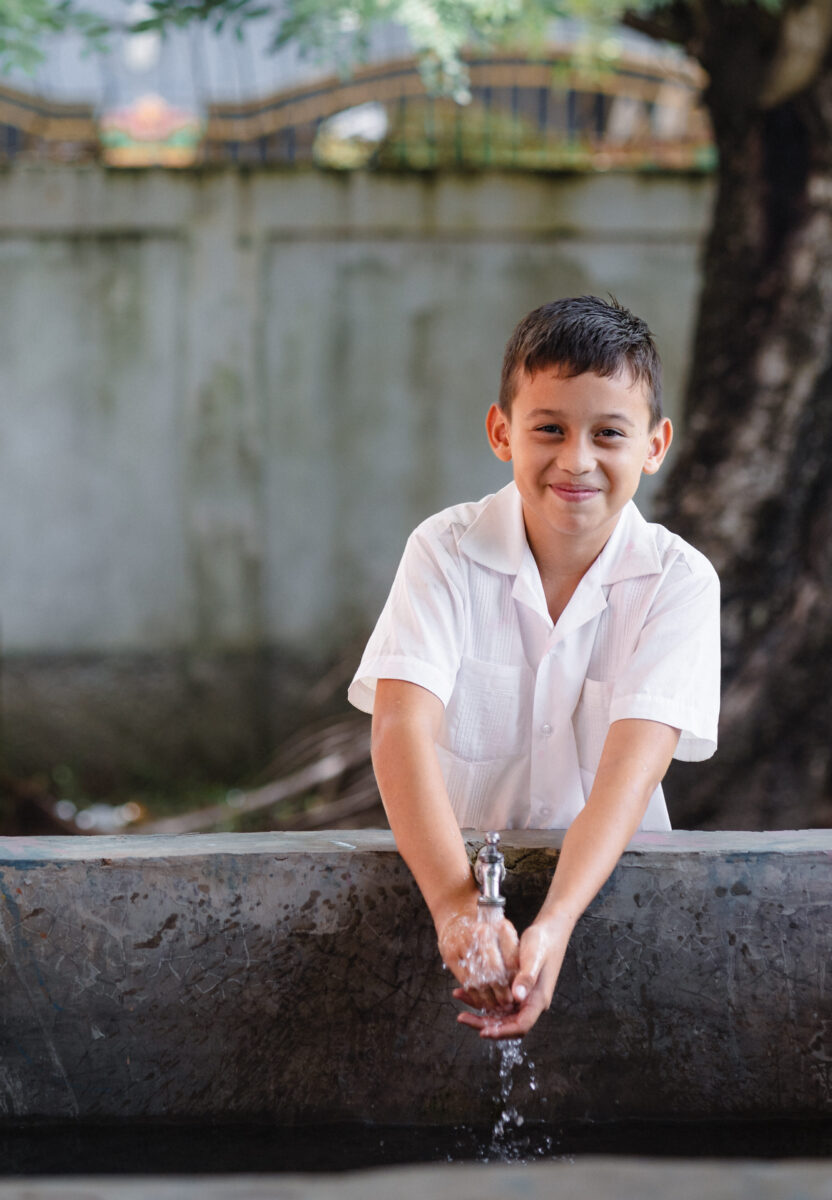
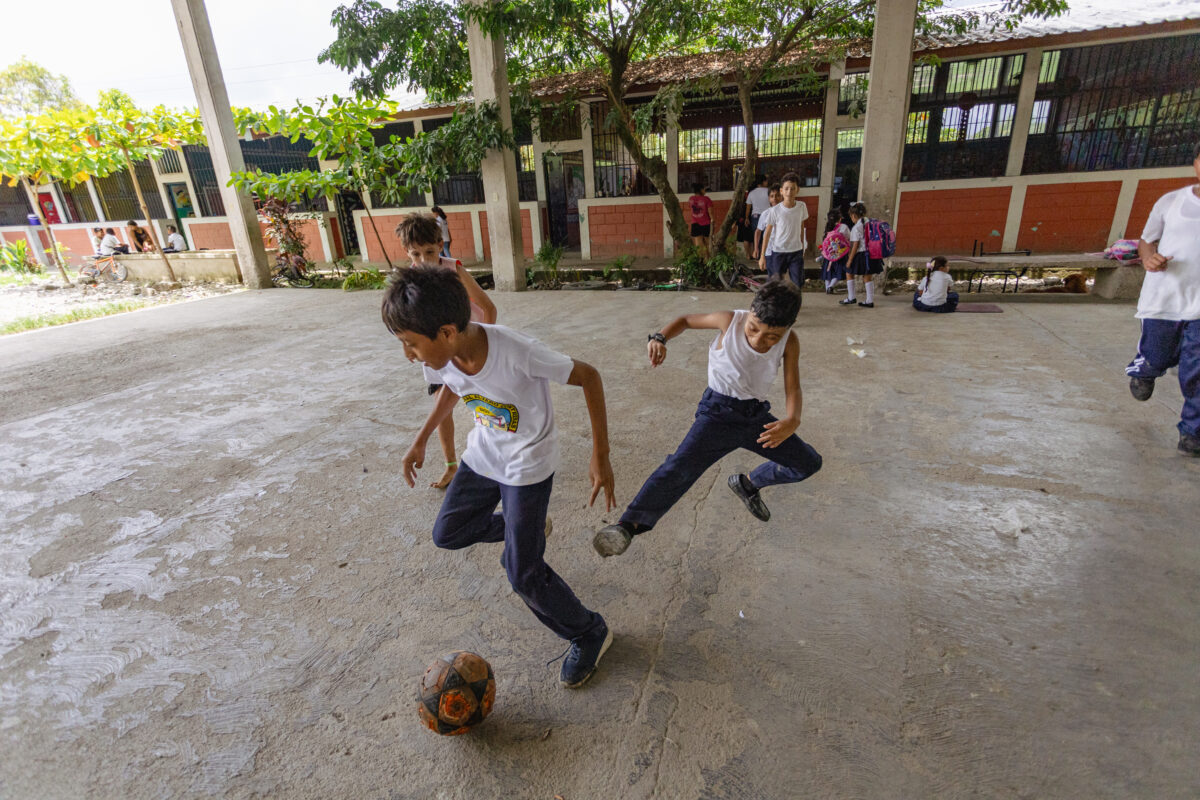
Luis enjoys math, his favorite subject – especially numbers and multiplication – and loves sports. Being able to wash up and drink clean water after playing allows him to return to class ready to learn.
His school now has access to safe water that is reliable and without interruption. He and his friends benefit from it every day.
Walking with fellow students back to class after playing at recess, Luis shares, "For me, water is life."
Student name changed for privacy.
Schools and students deserve safe water and bathrooms
While safe water and bathrooms are critical for schools, so is knowledge and awareness about hygiene. Water For People supports schools in implementing curricula on health, handwashing, and proper care for the new water and sanitation facilities.
In another community nearby Luis’ school, Karla Pérez teaches elementary children at a school in San Antonio de Cortés.
In Karla’s classroom, clean water is not a theoretical concept: it is experienced. Safe water flows from the sinks students use before entering class, in the bathrooms, and is incorporated into the healthy habits repeated by students and teachers every day.
Because of this, sanitation and hygiene are a natural routine. The entire community – schools and homes – function better because of it.
Teacher Karla has observed that when water is available, children get sick less often. They miss fewer classes. They arrive cleaner, wash their hands with soap, and learn in a healthier environment. These are small but steady changes that make a meaningful difference in learning.
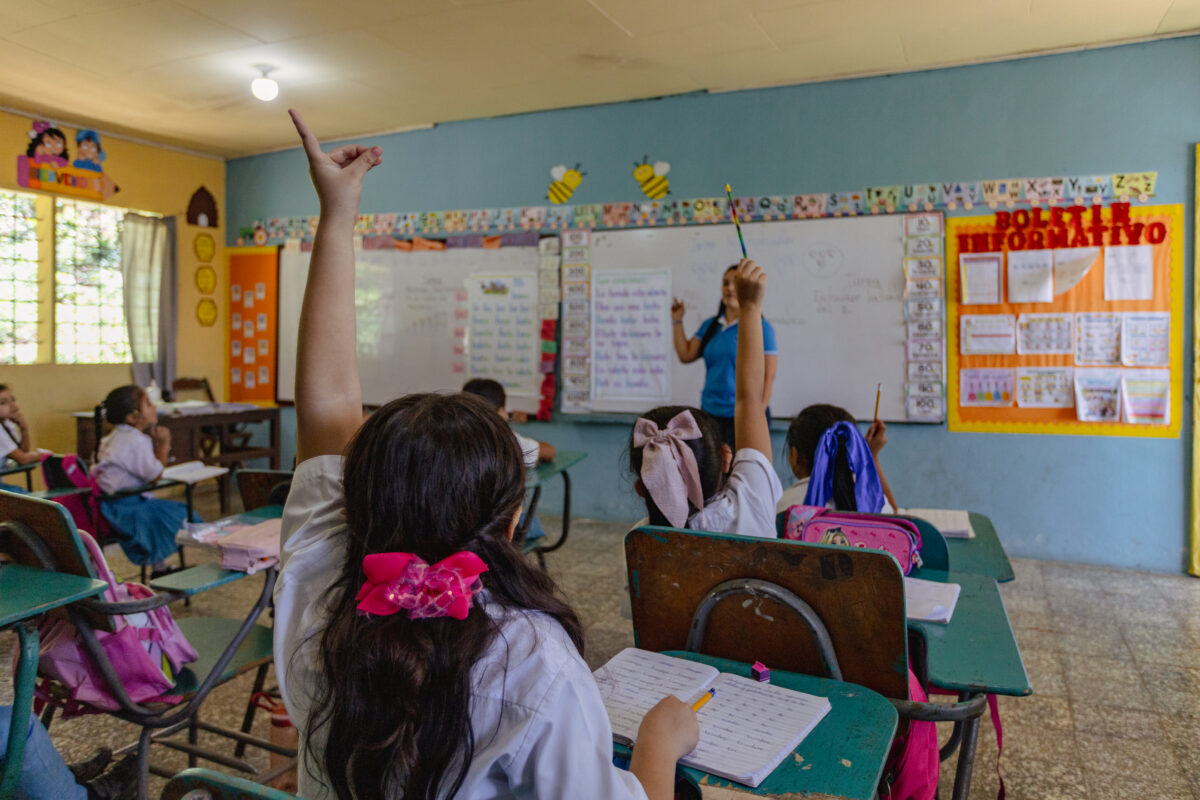
Behind these improvements is an organized community, committed local authorities, and the support of Water For People to ensure that water reaches the school safely and can be maintained over time.
Today, safe water is accessible every day, protecting children’s health and well-being. With pride for her school and students, Karla shares "Water is very important for children’s hygiene and health, which is why we teach them every day to take care of it."