
Water Seeps into the Soil: Water Recharge in Guatemala
Dilma and Luis García’s Climate Resilience
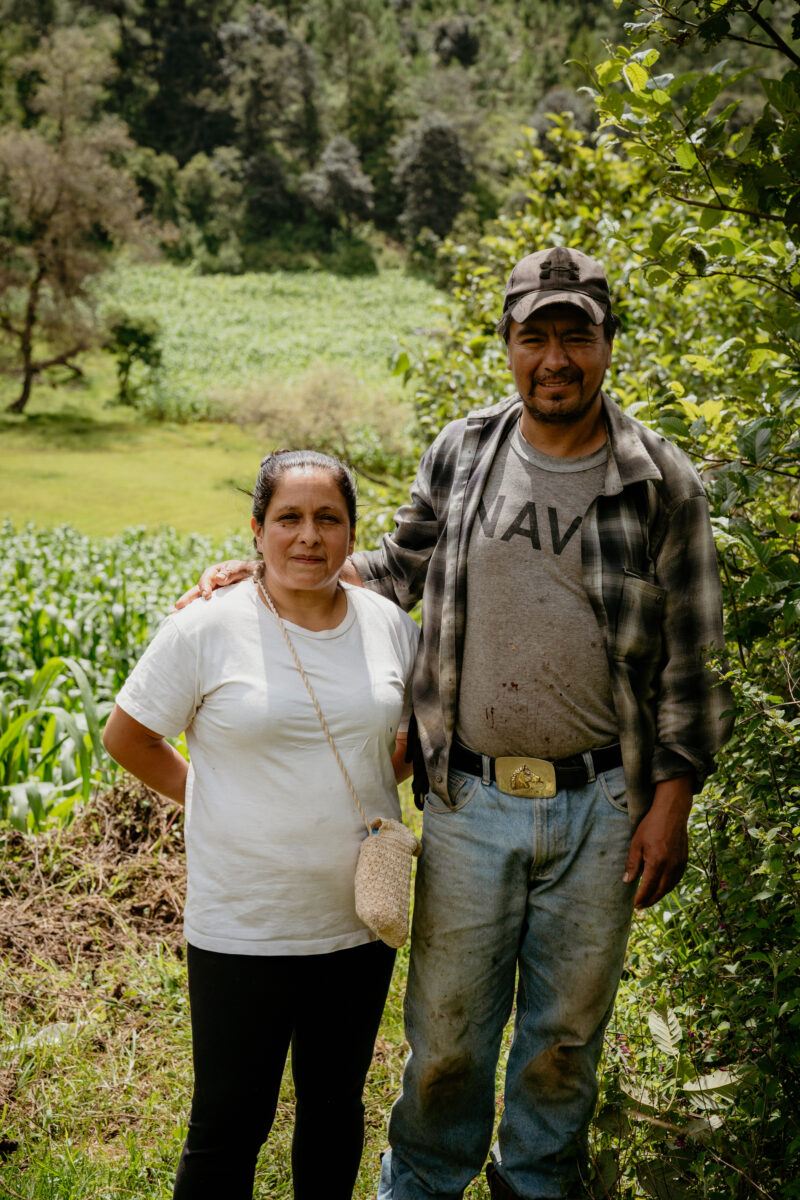
Early in the day in Panimache, Guatemala, Dilma García walks the edge of her land, where crops and young trees grow. She checks the soil with her hands, watching how the water settles. Nearby, Luis García tends to the same ground. They have learned to notice the small things – the way rain lingers or disappears quickly – noticing how the land holds the water or releases it into the soil.
In the department of Quiché, Guatemala, water is not taken for granted.
"We need to take care of water because the need is growing, and the supply and availability of it is decreasing," a local leader explains. "It is important to have the necessary amount of water to be able to use it now, and also in the future."
The pressure on water resources is increasing every day.
In places where the land is bare, rainwater becomes runoff. It moves fast and disappears just as quickly. But where there are trees, the water slows. It seeps into the soil. It stays.
This is water recharge.
The water that reaches springs and wells comes from rainwater that is absorbed and feeds the underground aquifers. Without that process, the availability for human consumption decreases. When water cannot be absorbed properly, it can lead to flooding or landslides.
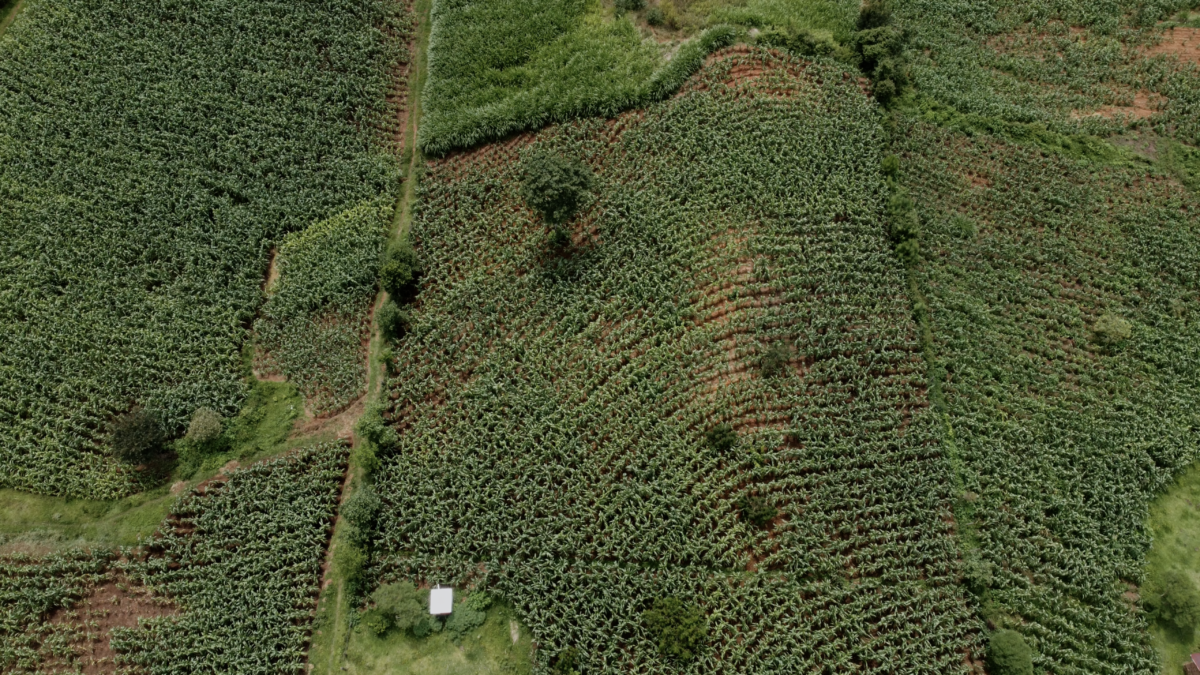
What happens on the surface shapes everything beneath it.
"The big problem is that we do not have a way to store rainwater," Byron Palacios from Water For People Guatemala emphasises. "When there is no forest cover, that rainwater becomes runoff and is lost very quickly. But when we have forest cover, the mountains ensure that this water slowly infiltrates the soil and is available over time."
Around Panimache, these differences are visible.
There have been forest fires. Land use has changed. The population continues to grow. Climate change has altered rain patterns, which affect water recharge areas. The scarcity of water is increasingly evident, and the water cycle is being altered.
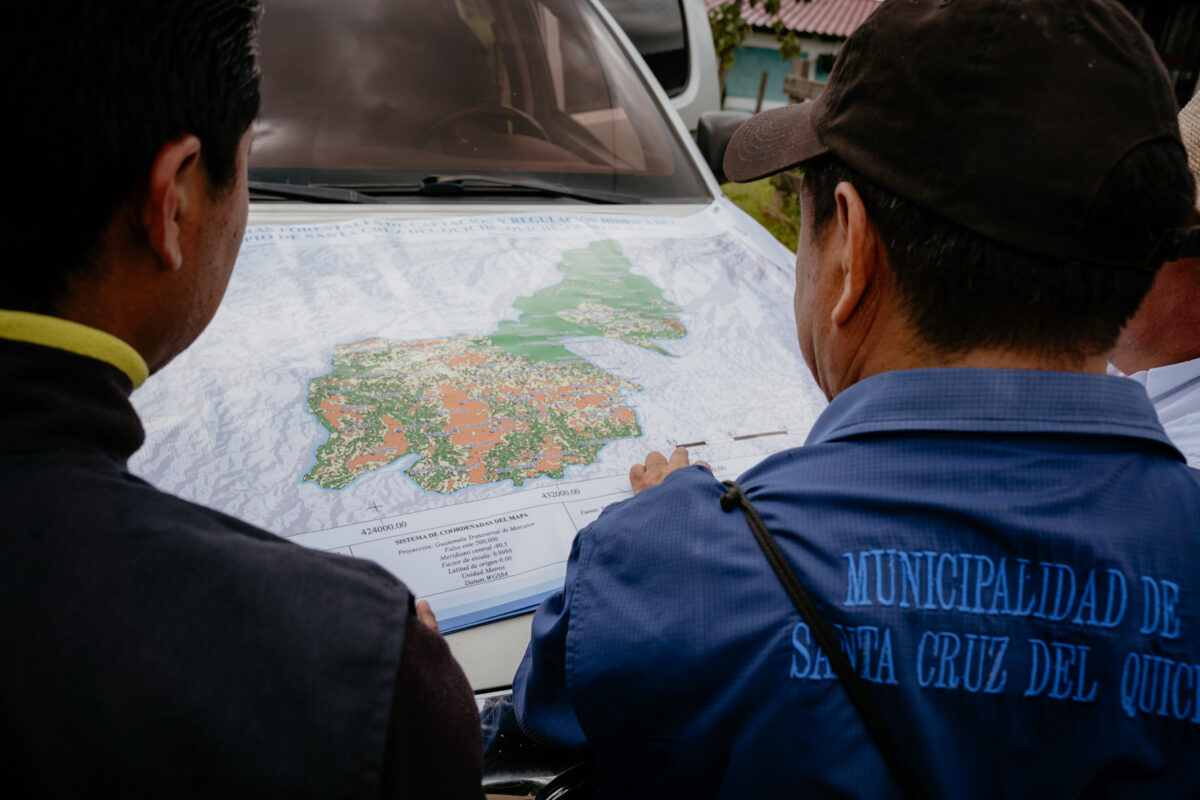
In response, Water For People teams and local authorities are working together to better understand the land. A map of forest lands for water collection, regulation, and recharge helps identify critical recharge zones – the areas that sustain water availability for entire communities.
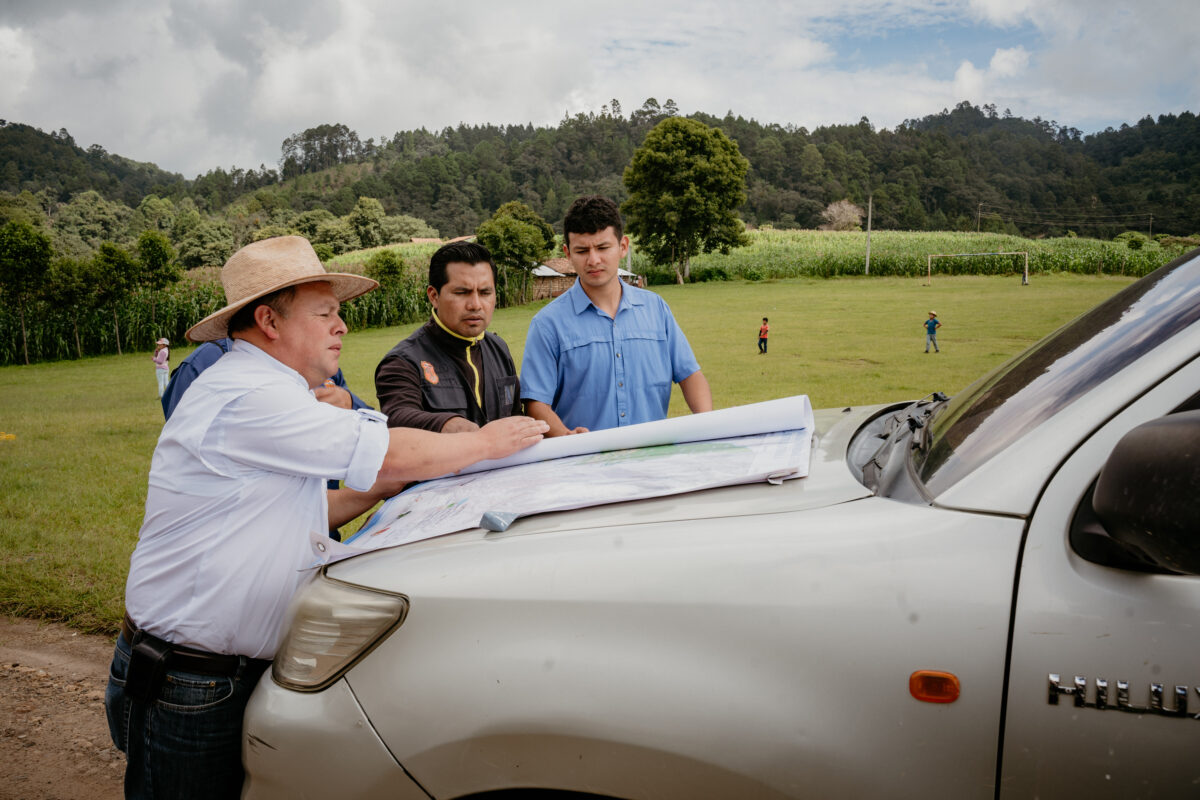
This is the water – the land – that Dilma and Luis care for.
Learning from the water mapping results, Dilma and Luis plant trees on the land where they grow crops because it is a recharge area. The trees help retain rainwater and improve the water recharge zones. The fruit trees also support the family’s livelihood, helping them earn additional income from selling the fruit.
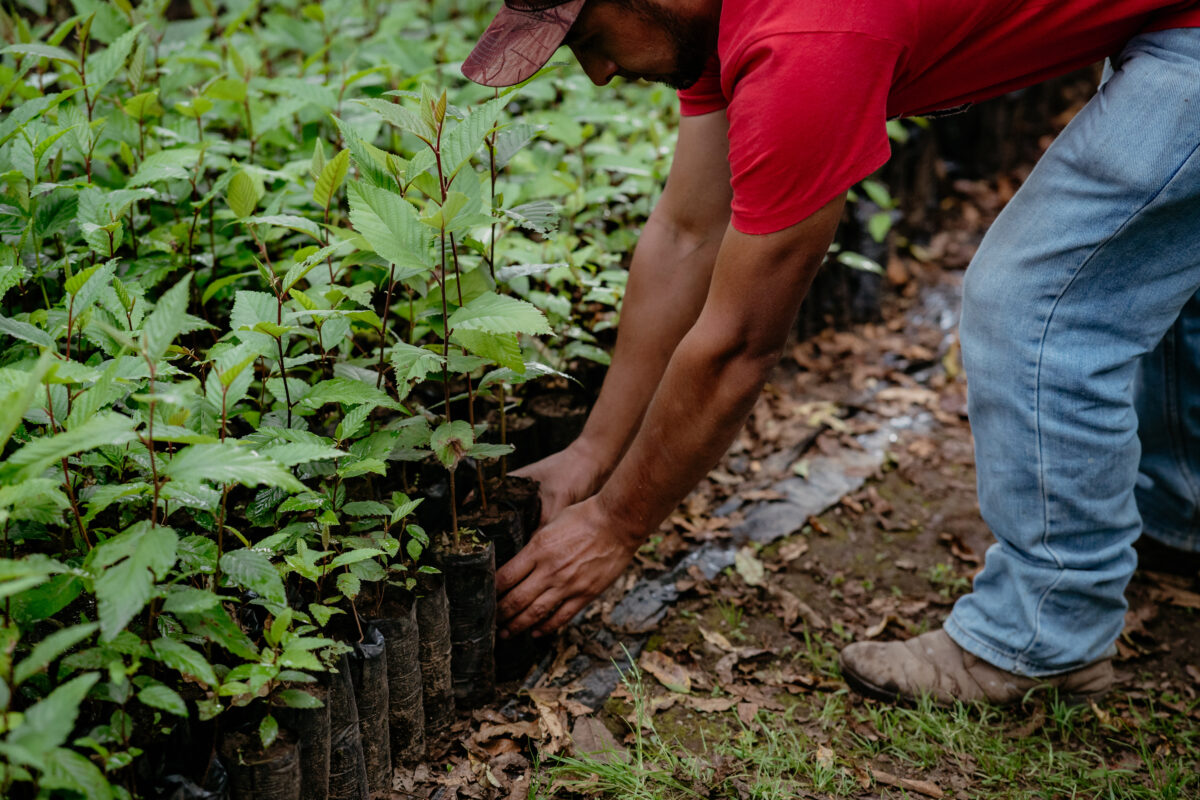
Nearby, a local nursery grows the next generation of trees. The nursery produces trees used for reforestation. To date, 240,000 trees have been planted in areas specifically for water recharge, with the intention of caring for and maintaining the community’s vital water source.
Trees are only one piece of the solution for climate resilience.
"As an organization, we are working directly with authorities, with communities," another local leader explains, "trying to define clear standards for water use, mainly using water meters so that we all know how much water we are using, and so that we can be responsible for the water we are using."
Water committees are building the capacity to manage and operate their systems to last long-term. Alongside this, communities are defining fair water rates that allow for the resources needed to maintain systems over time.
Without good maintenance, water systems can fail or become damaged, causing service outages or water leaks. Defining payment for water service rates ensures the funds needed for maintenance and repair, so that water is not wasted and remains available.
Taking care of water and protecting water recharge areas is everyone’s responsibility – families, local governments, organizations, and companies.
In Panimache, that responsibility looks like tending young trees and watching rain settle into the soil. Dilma and Luis continue their work, season after season, knowing that the water absorbed today will still be there tomorrow.