With Water, Comes Sanitation: Sustainable Wetlands in Peru
How Lelys Barreda ensures long-term sanitation for current and future generations
Beyond access to high-quality drinking water, Water For People is on a mission to promote the development of sanitation services accessible to all, and ensure systems will be sustained by communities, businesses, and governments.
Today, 3.4 billion people still live without safely managed sanitation.² This is unacceptable, and we are doing something about it.
Flush a toilet, take a shower, wash dishes, clean clothes, irrigate fields, farm livestock, and control rainwater runoff.
When water is used, it must go somewhere. And with water – comes sanitation.
In rural Peru, wastewater management systems for collection, treatment, and distribution have historically been inexpensive, improperly managed, and inefficiently used.
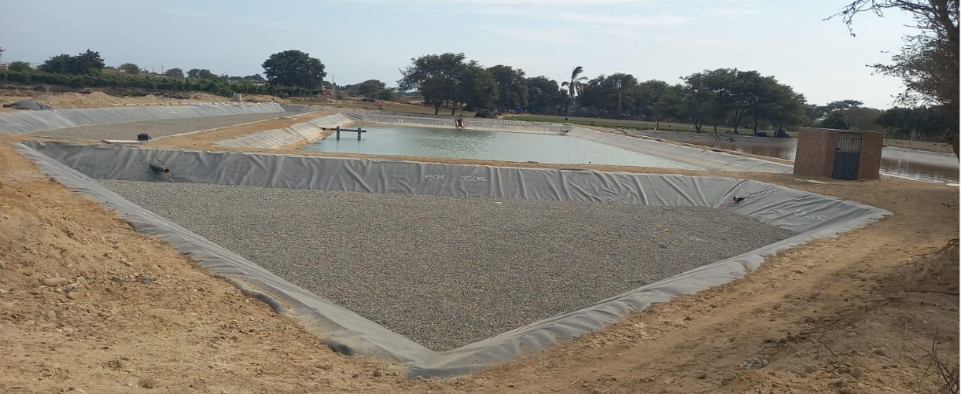
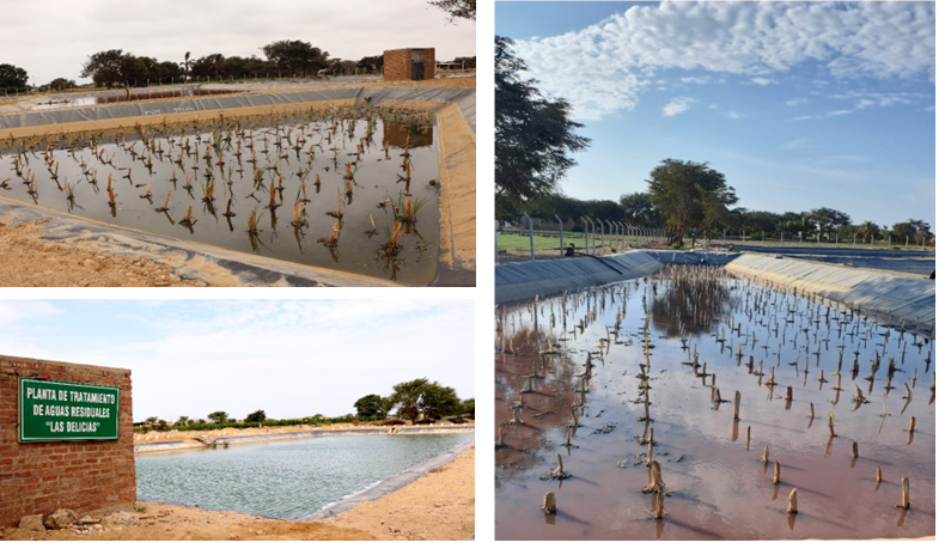
But, with forward-thinking local leadership in Las Delicias, Peru, the previous wastewater management system was reimagined in partnership with Water For People into a low-cost and community-managed artificial wetland.
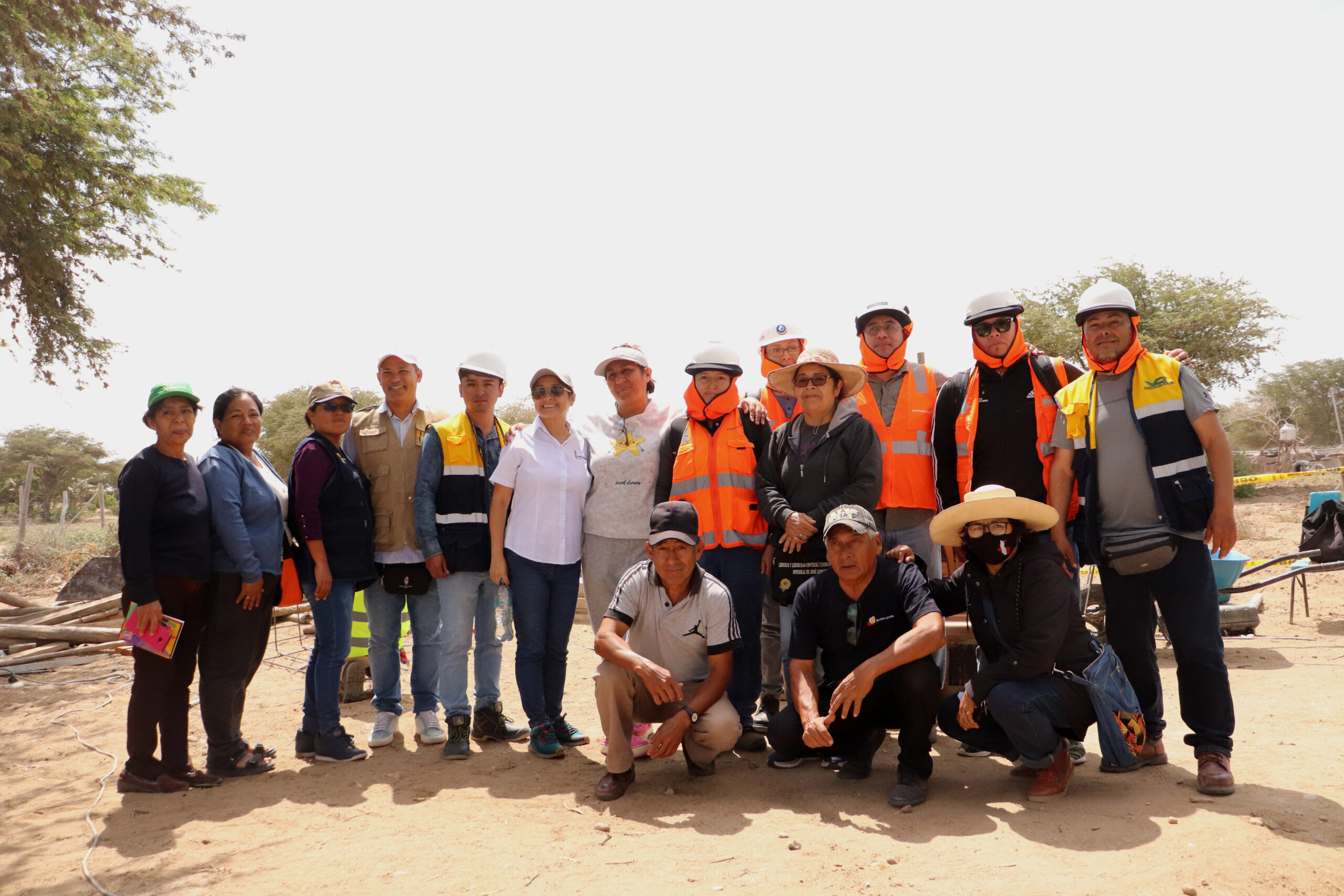
The artificial wetland in Peru is a nature-based sanitation solution that provides Las Delicias with safer water, healthier families, and new income opportunities.
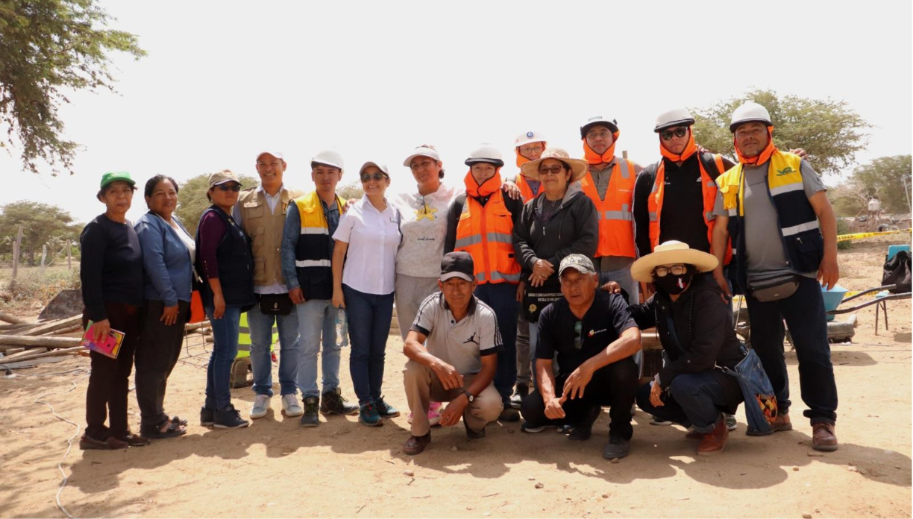
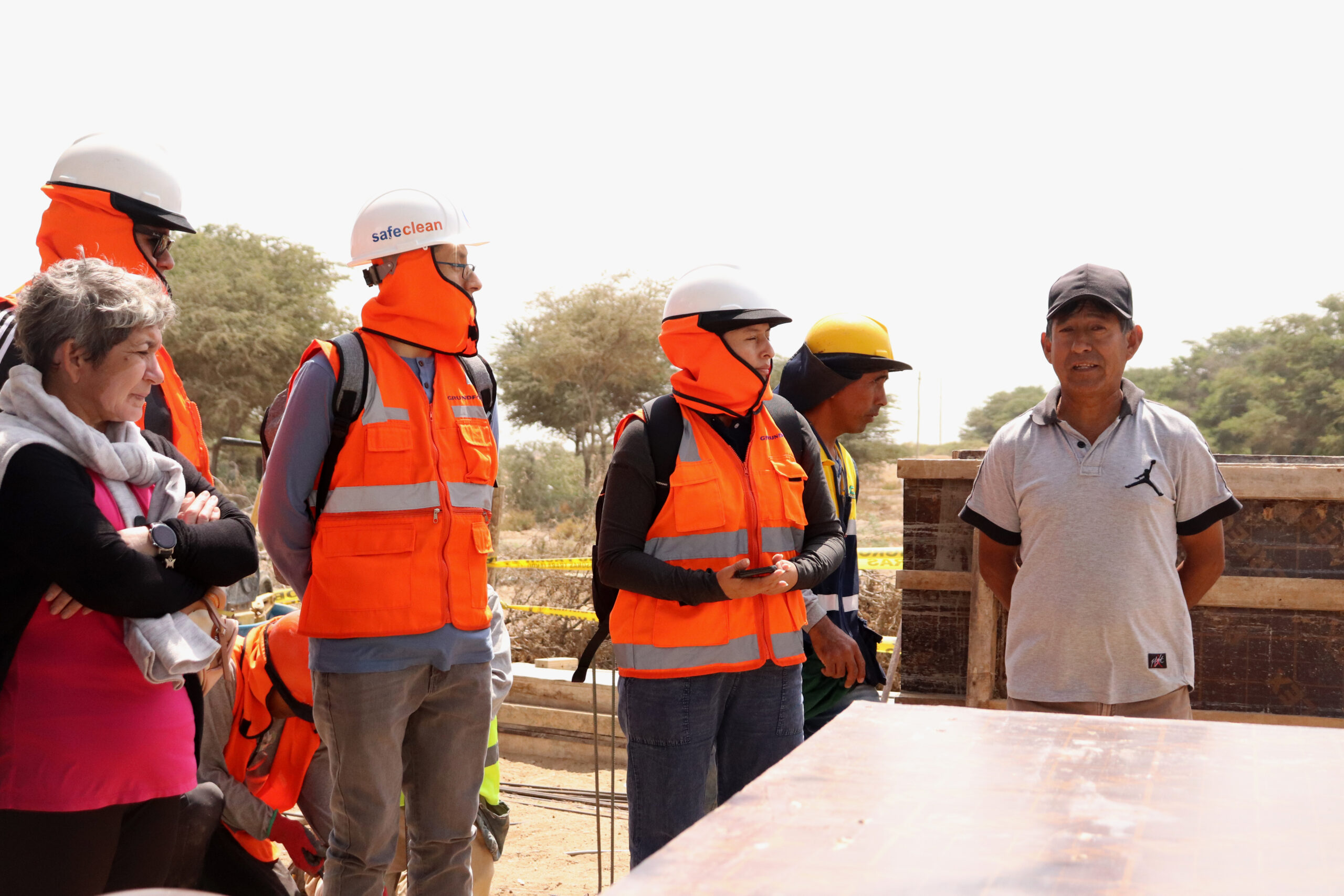
A highly respected community leader and chair of the local water committee, Lelys Barreda is steering efforts to improve the wastewater treatment plant and build the artificial wetland to stop contamination of local water sources and protect public health. This solution also generates new economic opportunities by turning byproducts into fertilizer that can be sold to local farmers.
Lelys reflects, "Honestly, we had no idea of the great importance this project would have, as it was a pilot experience that has become a beacon of hope for the rest of the department."
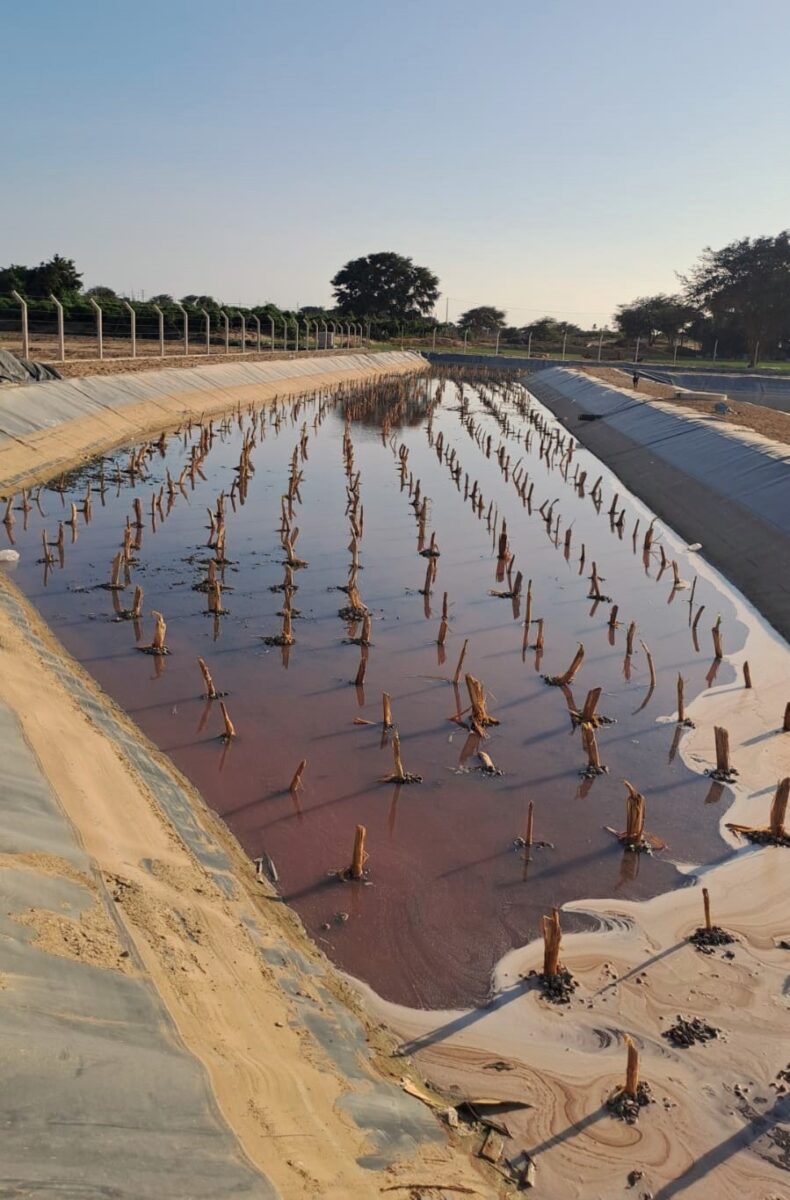
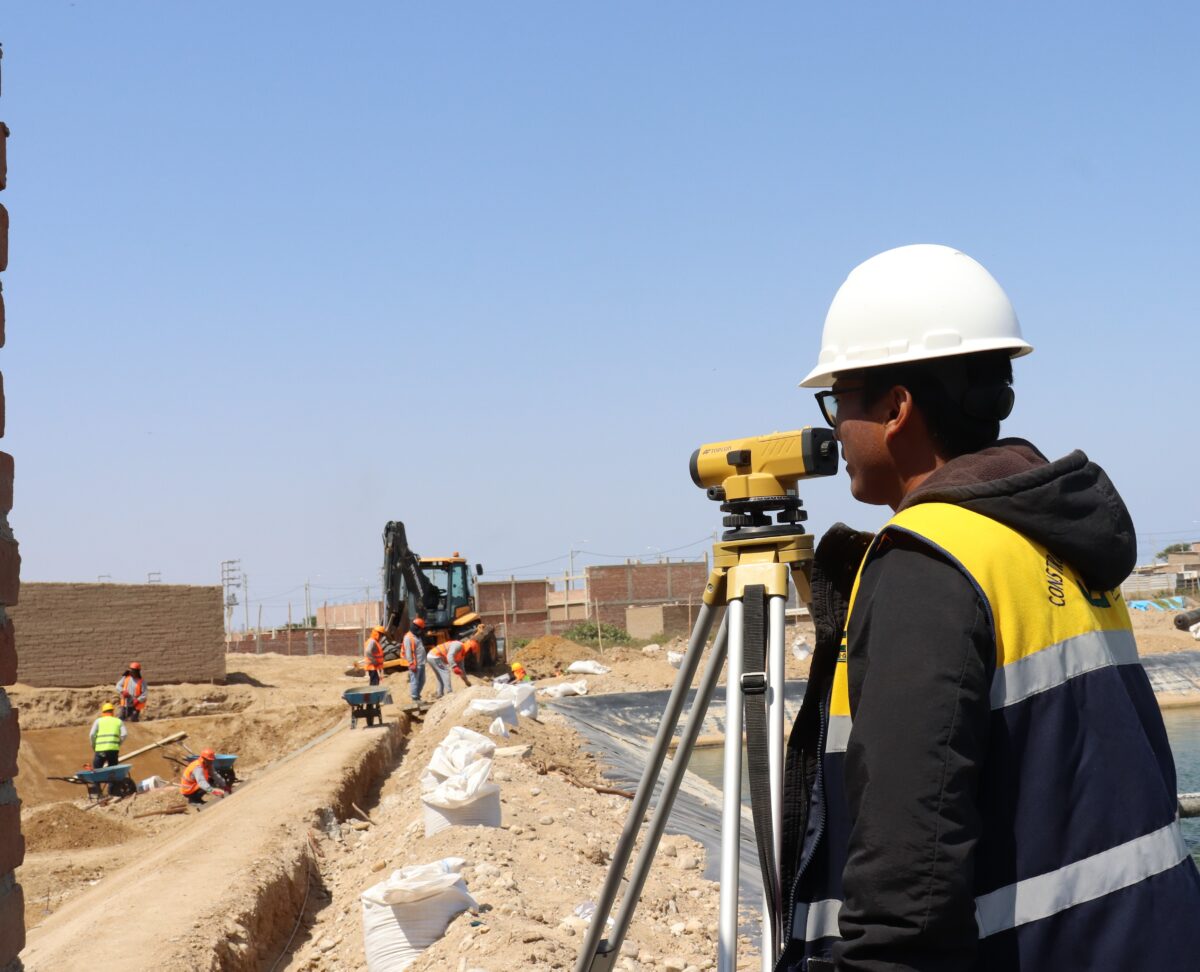
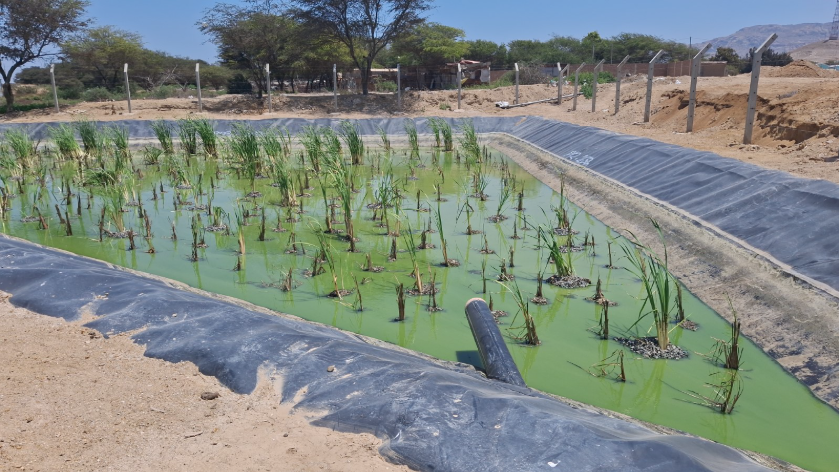
Committing to action for a healthier future, Lelys shares, "Many areas lack water, sewage, and even a space for drainage. This project is now attracting the attention of authorities, helping to promote the construction of wetlands in other areas."
As a result of their work, people in Las Delicias aspire to be a successful example of sustainable water and sanitation management for everyone in their region and throughout Peru.
While excited and proud, Lelys humbly recognizes that this innovative nature-based water and sanitation solution will be far-reaching. He shares, "The completion of the artificial wetlands represents an achievement of national and international significance for the people of Las Delicias. I believe that all districts and departments in the country should be aware of our experience as environmental stewards and guardians, as well as our contribution to the country."
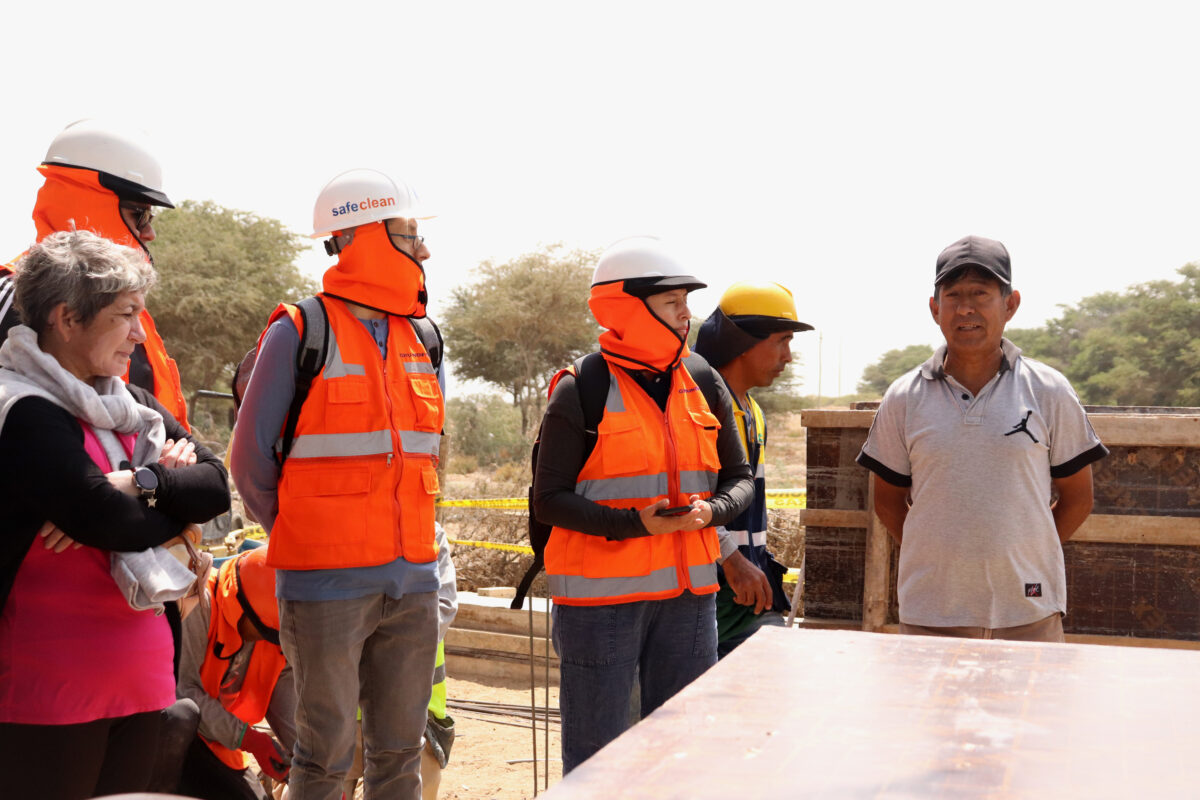
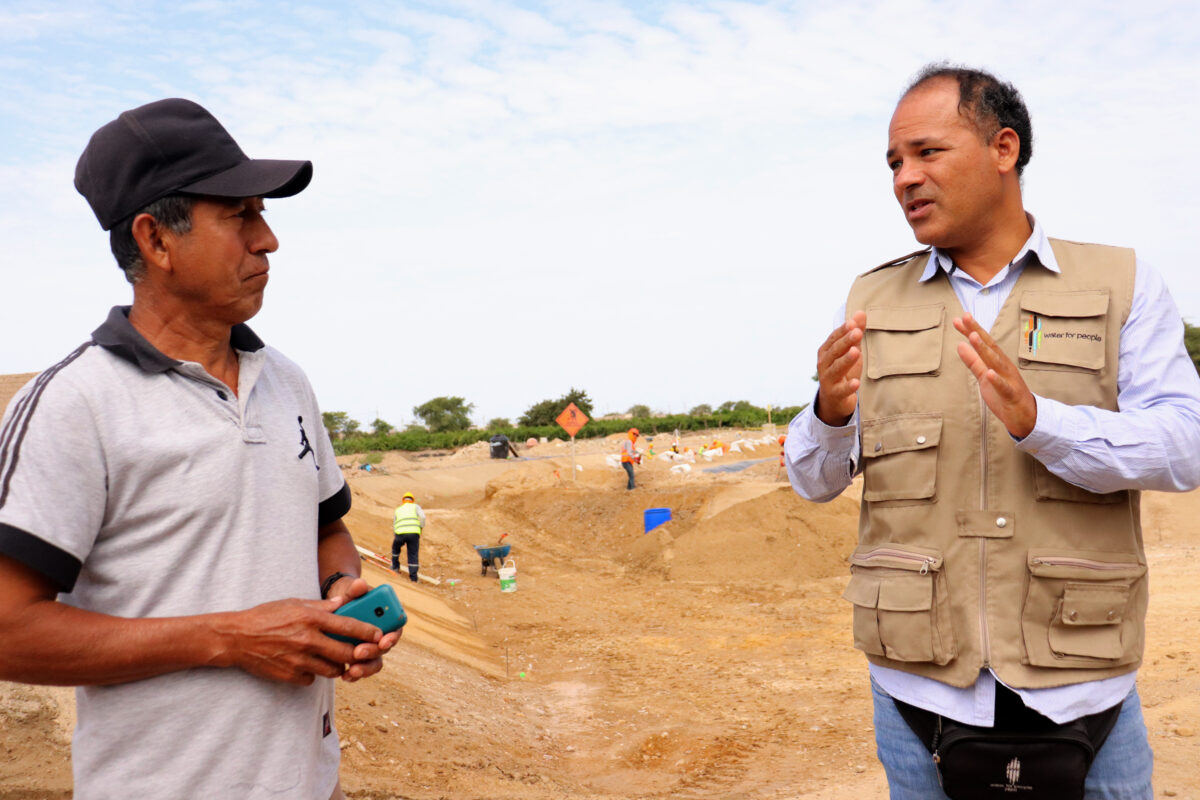
Lelys shared deep appreciation for the partners who helped bring this project to life – from the Municipality of Reque and the community members of Las Delicias to Water For People and its donors. As chair of the local water committee, he emphasized that the project reflects the collective voice of the community and represents both pride and progress. It stands as a shared achievement made possible through collaboration, trust, and a shared commitment to better health and opportunity for everyone.
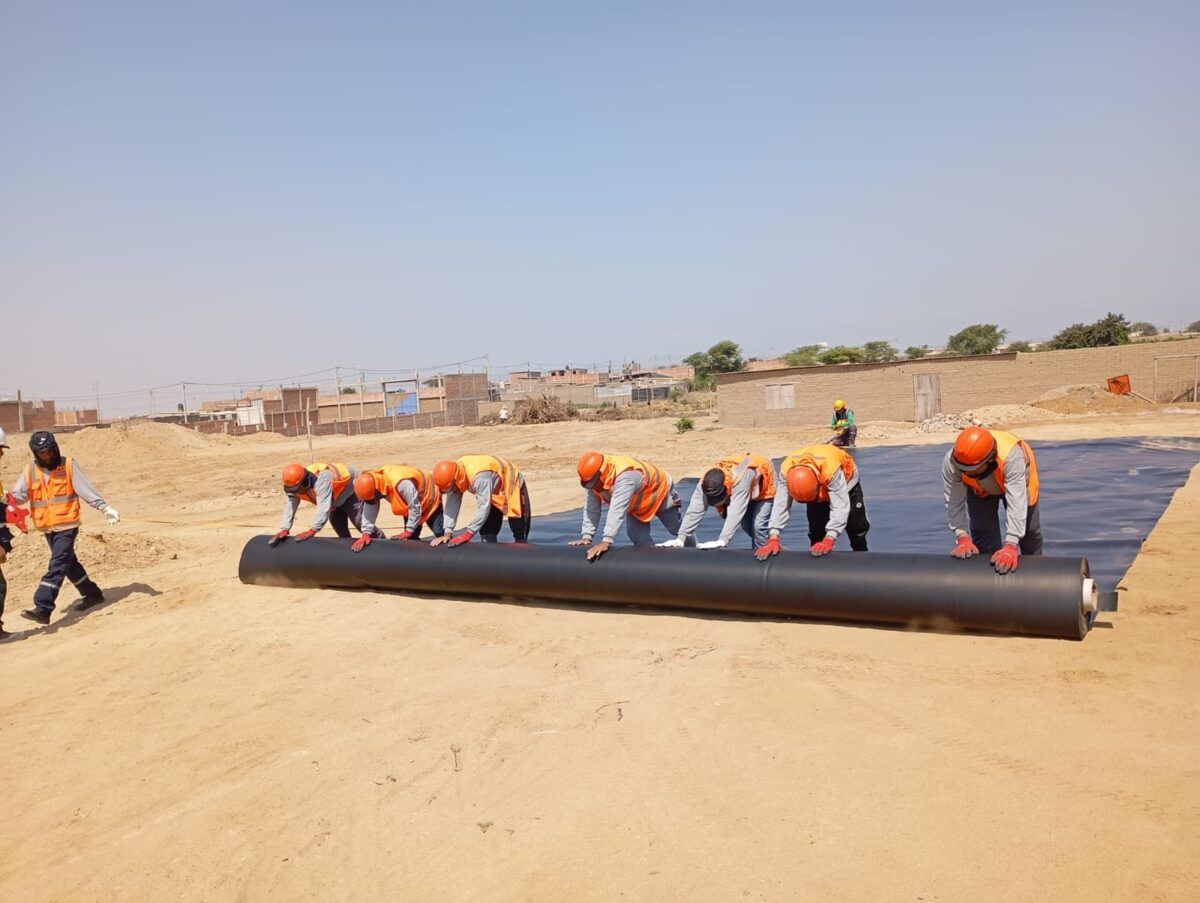
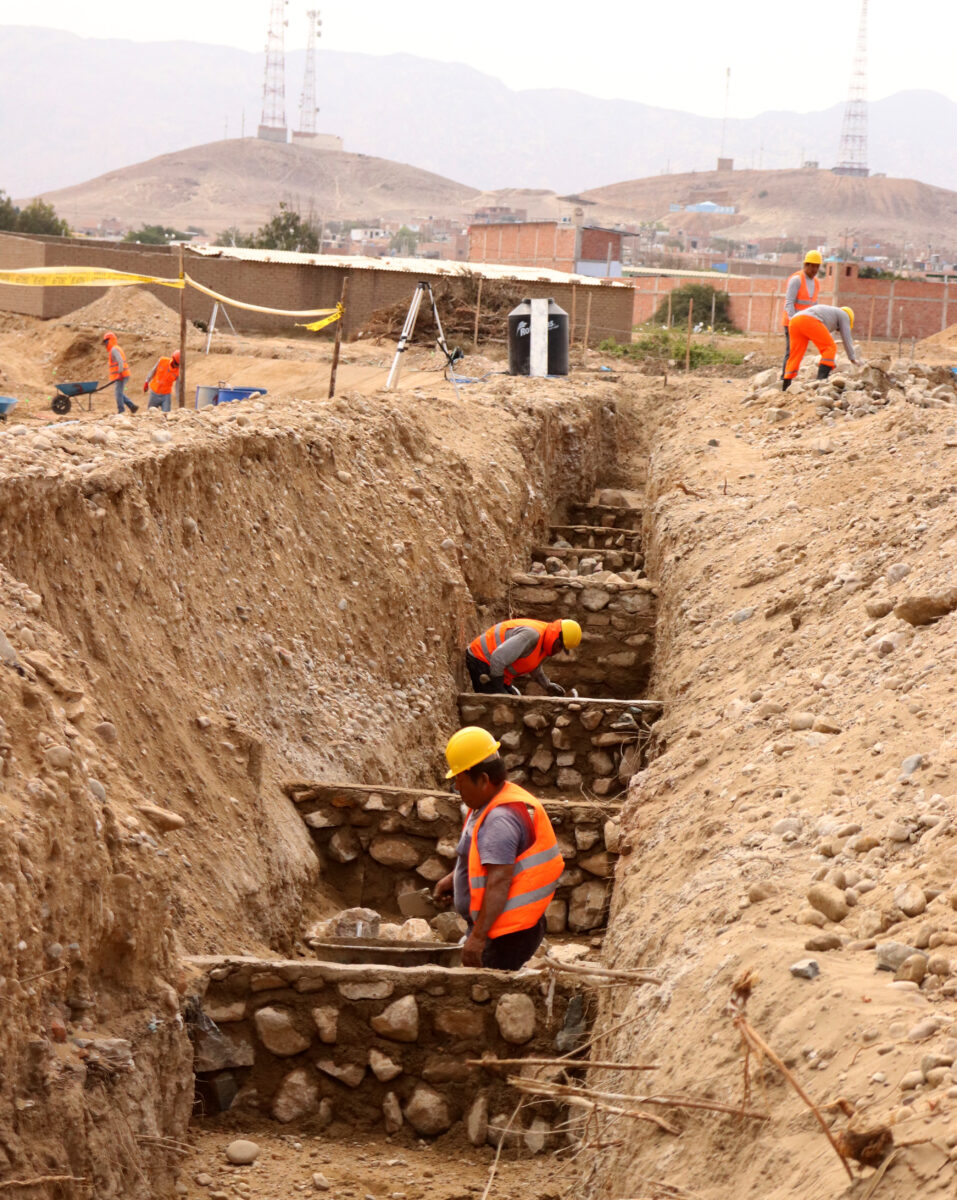
"From now on, it is up to us, as members of the local water committee and as members of the community of Las Delicias, to ensure that the wetlands operate in an optimal manner, that they work properly and thus prevent environmental pollution," he shares with an understanding that he is part of long-term access to water and sanitation services.
Alongside Lelys, local residents are looking ahead. Their vision is to strengthen and expand the work already underway in Las Delicias, transforming the community into a pilot center for sustainable solutions across the district of Reque and the wider Lambayeque region.
Together, local water committee leaders and farmers are focused on maximizing the use of the new wetlands – reusing treated water to irrigate crops, turning waste into compost, and opening the door to eco‑tourism that brings new income to the community.
This is how clean water becomes lasting opportunity.
1, 2 (WHO/UNICEF, 2025)