
Over time, and through my communications work across many field visits, the importance of paying attention not only to what is visible but also to what quietly shapes the everyday use of water, sanitation, and hygiene (WASH) services has become increasingly clear.
Through conversations, observations, and shared reflections, one theme continues to resurface: operations and maintenance (O&M).
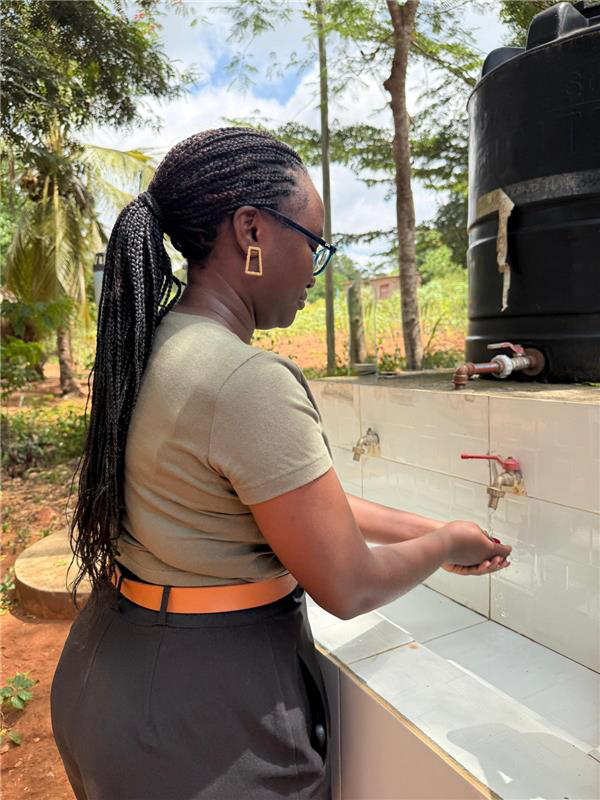
At first glance, many WASH facilities present a positive picture. Water points are installed. Latrines are constructed. Handwashing stations exist. These are visible, tangible signs of investment and progress. Yet spending time in these spaces, and engaging with teachers, health workers, and facility managers, often reveals a more complex picture—one in which sustainability depends on factors beyond infrastructure alone.
In several schools, handwashing facilities were observed to be idle, not due to lack of relevance, but because soap supplies had run out, taps were leaking, or responsibilities for refilling water were unclear. In some healthcare facilities, sanitation infrastructure was in place, while maintenance arrangements were informal or inconsistent, increasing the likelihood that minor issues could escalate into service interruptions.
These observations do not point to failures of design or intent. Rather, they highlight a recurring challenge in water, sanitation, and hygiene (WASH) work: the transition from construction to sustained service delivery.
In many WASH settings, operations and maintenance (O&M) are addressed with varying levels of formality, consistency, and resourcing. Where roles are not clearly defined, financing mechanisms are limited, or monitoring systems are weak, even well-designed facilities may struggle to provide reliable services over time.
Field observations also indicate that a significant share of O&M responsibility is often carried by individuals with multiple competing demands. Teachers managing large class sizes, health workers prioritizing patient care, and facility in-charges operating within constrained resources all play a role in keeping services functional. In such contexts, maintenance activities may become reactive rather than routine, responding to breakdowns as they occur rather than being systematically planned.
At the same time, positive practices are evident.
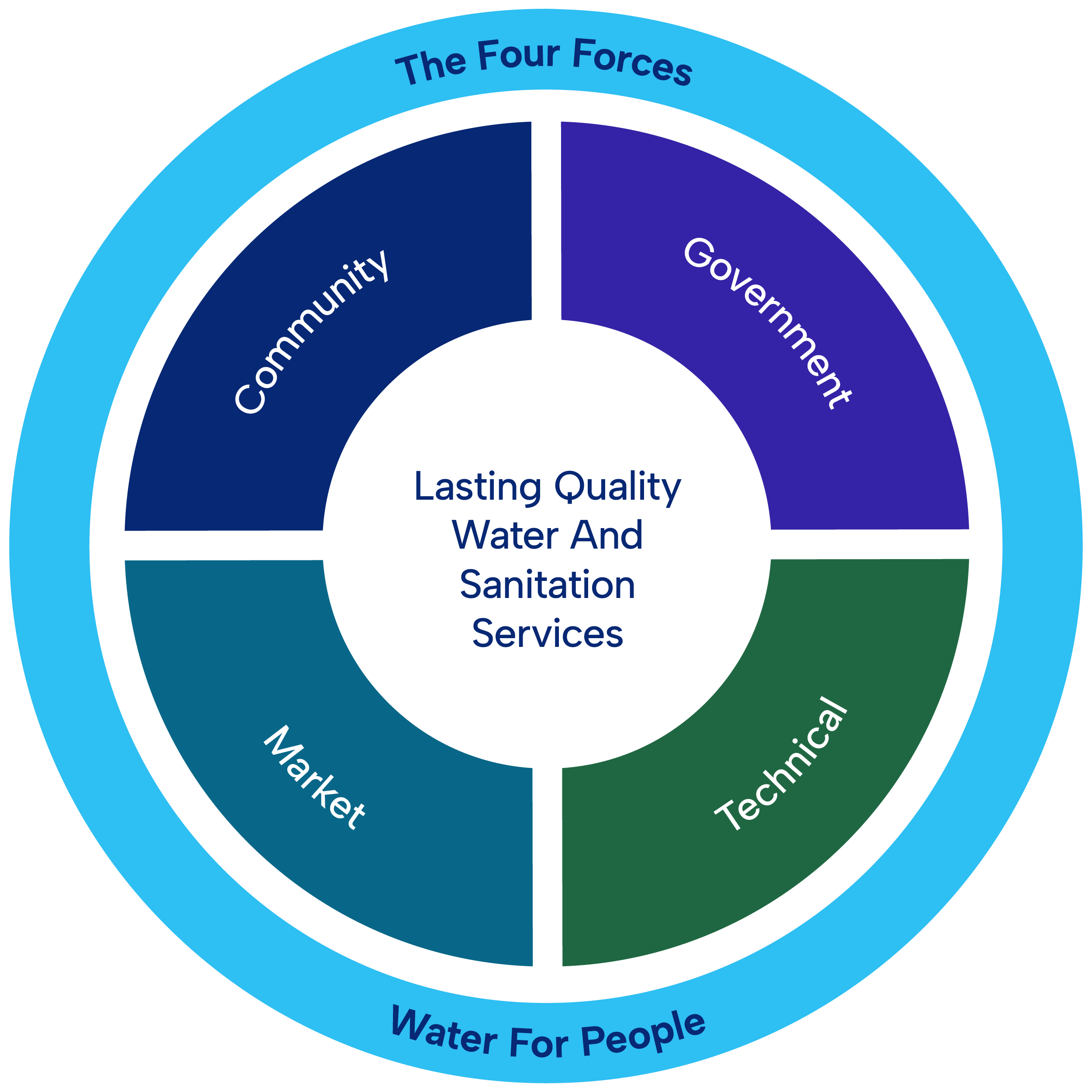
In a number of facilities, relatively simple systems contribute to more consistent functionality: designated WASH focal persons, basic maintenance records, modest user contributions, and clear lines of accountability at the school or facility level. These approaches do not rely on advanced technology or significant additional funding, but on clarity, planning, and shared responsibility.
Taken together, these experiences reinforce an important insight: sustainable WASH depends not only on infrastructure, but on the systems that support it. Systems that enable caretakers. Systems that anticipate wear and tear. Systems that recognize maintenance as a core component of service delivery.
As I continue my work, creating stories of change and impact from WASH interventions in schools and healthcare facilities, several questions remain central to ensuring these services are sustained over time:
- Who is responsible for maintaining facilities over time?
- Are operations and maintenance costs realistically planned and resourced?
- Do users and managers have the skills, tools, time, and authority required to carry out these roles?
From the stories I capture, it is clear that access to WASH does not end at installation. It is sustained through the everyday decisions, practices, and resources that keep water flowing, sanitation facilities functional, and hygiene practices possible.

Authored by: Janet Olumbe, Regional Marketing and Communication Officer – Africa
Janet holds a bachelor’s degree in Mass Communication and is currently pursuing a master’s degree in Strategic Communication at Uganda Christian University. She brings over six years of experience in digital strategy, storytelling, and strategic communications. Passionate about growth and collaboration, Janet is proud to be part of an organization that invests in developing its people and strengthening internal capacity. In her regional role, she looks forward to advancing Water For People’s visibility and impact across Africa.
Continue exploring Water For People’s work.
Queen of the Throne: A New Wave of Women Plumbers in Rural Bolivia
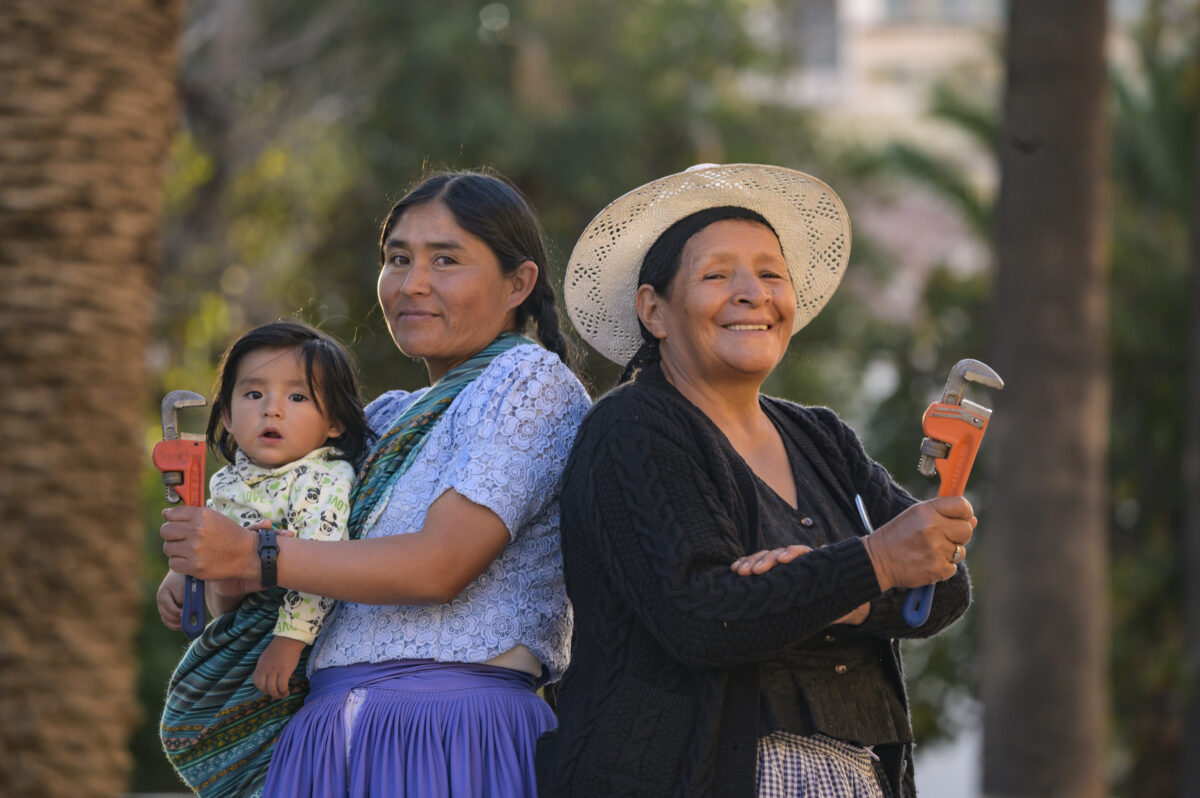
Women in rural Bolivia are becoming certified plumbers, breaking barriers while keeping water and sanitation systems running. Through the Red de Mujeres Plomeras program, dozens of women are gaining technical skills, confidence, and new opportunities for dignified employment. This is an example of how investing in people helps water and sanitation solutions last.