Countries
High in Peru’s Andes Mountains, Maria Montalvo Arce grows grapes.
Well, most years she grows grapes. A year ago, the worst flooding Peru has experienced in a lifetime washed away nearly all of Maria’s harvest. The rain lasted for a month.
Don Ángel went from being a zoologist who worked with livestock to leading the water and sanitation office in the province of Gran Chimu de Cascas in Peru.
The late afternoon sun starts turning golden as Julia, Daniel, and Kimberly play in the fields surrounding their home just outside of Asunción, Peru. Their life is simple and sweet, and they like it that way. Their mom, Luz, says life didn’t always feel like this.
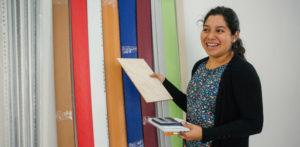
Water For People takes a market-based approach to sanitation. Rather than provide toilet hand-outs, we support entrepreneurs to provide sanitation products and services. This approach is more sustainable, and creates jobs and lifts local economies along the way.
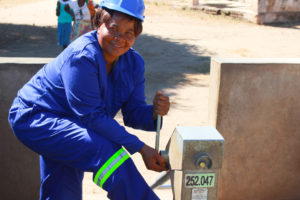
On any given day, as she sees her kids off to school or prepares food for her family, Maureen could get a call from a community in her region. She’d drop everything in that moment, grab her tools, and head off on her bicycle.
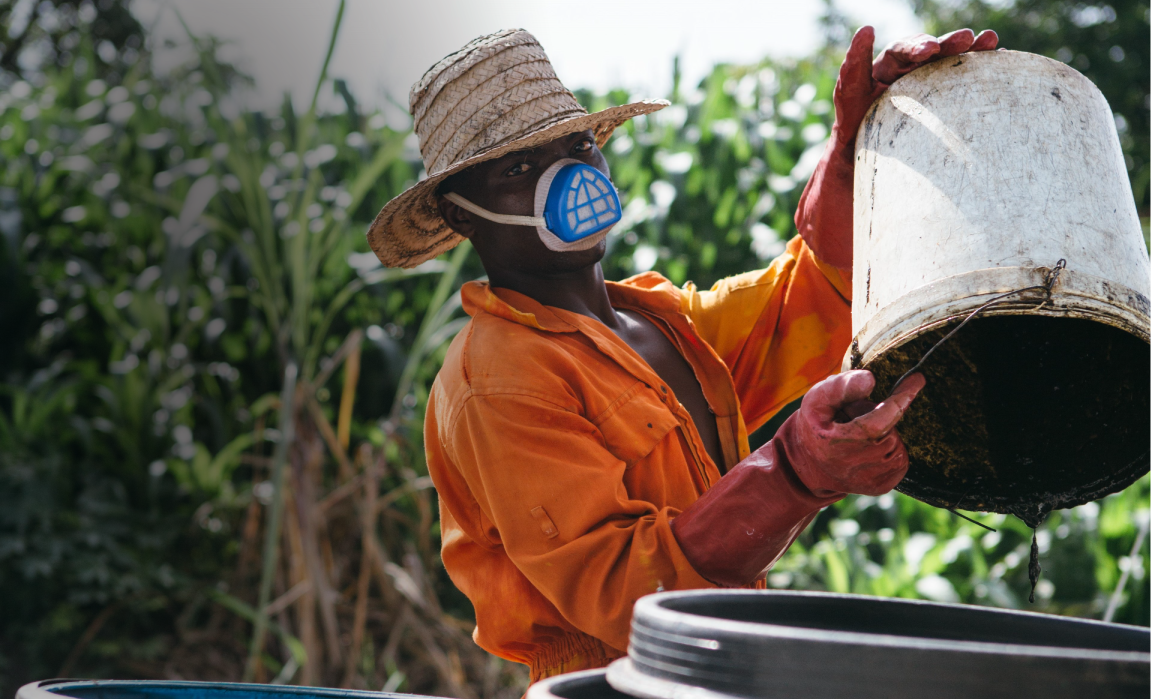
John overcame poverty through poop businesses.
That’s right, you read that correctly.
“My parents were very poor,” John says. “I tried to go to school but my uniforms were so torn that I looked almost naked. Friends would laugh at me, and I decided to stop school.”
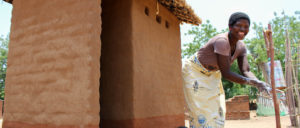
Annie sits outside of her mud-plastered home, a small thatched canopy providing little respite from the Malawi heat. Her gaze focuses on some scribbled words on the side of her latrine: Tigwiritse Nchito Chimbuzi Moyenera Nthawi Zonse.
Let’s use the latrine properly at all times.
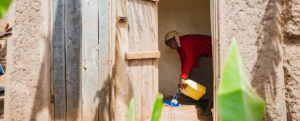
Folomina’s face lights up when she talks about her toilet. Two years ago, the state of water and sanitation in Folomina’s village was dire. She and the other 20 families in her community would walk two hours each day for water. The sanitation situation was just as bad.
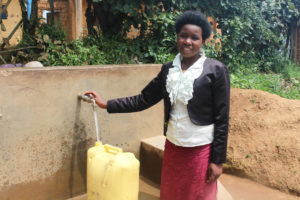
“It was like a dream to us,” says Lilian. She says the people in her community never thought they would have safe water. “We used to wake up very early in the morning to go fetch water,” Lilian says. She and others in her community in Gicumbi District, Rwanda would lose hours each day walking to fetch water for the day’s tasks.
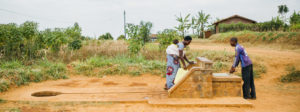
Sweetly sleeping, two-year-old Solange lays contentedly in her mom’s arms. Marie Louise’s other children are at school. This scene, almost serene, feels very different from what Marie Louise says life looked like a few years ago. A few years ago, her village didn’t have a safe water source.