
Sanitation
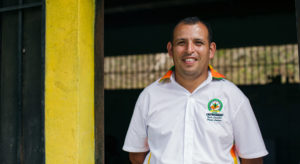
As Oscar Mejia breathes in the fresh mountain air and sips his coffee, he looks around the school that’s nestled in the verdant landscape. Oscar comes from a long line of educators and has taught children in the El Lanillal community in San Antonio de Cortes, Honduras for over 18 years. He is truly committed to helping children reach their full potential, so he’s glad his school and his community look and feel different than they did a couple years back.
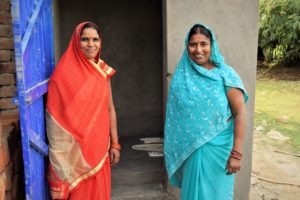
Seema Devi was married as a teenager. At this young age, she moved to her new husband’s village, away from her family. One of the biggest differences in this new village in the Sheohar district of northern India was that she no longer had a toilet in her home.
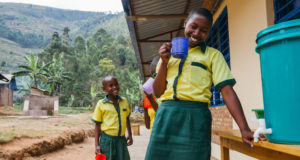
When water arrived at Binaga School in the remote countryside of Rwanda, it gave students the future. It provided the foundation for them to dream.

“Do not look down on any job, even pit emptying,” says Isaac.
This job has revolutionized Isaac’s life. And beyond earning a better living for himself and his family, he’s a part of transforming Kampala into a clean, healthy city.
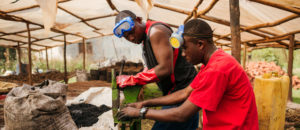
In rural Uganda, Water For People is helping entrepreneurs tackle every part of the sanitation value chain, from constructing latrines and emptying them to transferring and treating fecal waste. In this last step – fecal waste treatment – Water For People is creating a true circular economy by repurposing waste.
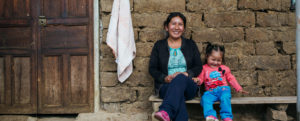
The late afternoon sun starts turning golden as Julia, Daniel, and Kimberly play in the fields surrounding their home just outside of Asunción, Peru. Their life is simple and sweet, and they like it that way. Their mom, Luz, says life didn’t always feel like this.
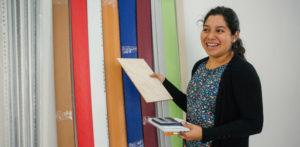
Water For People takes a market-based approach to sanitation. Rather than provide toilet hand-outs, we support entrepreneurs to provide sanitation products and services. This approach is more sustainable, and creates jobs and lifts local economies along the way.
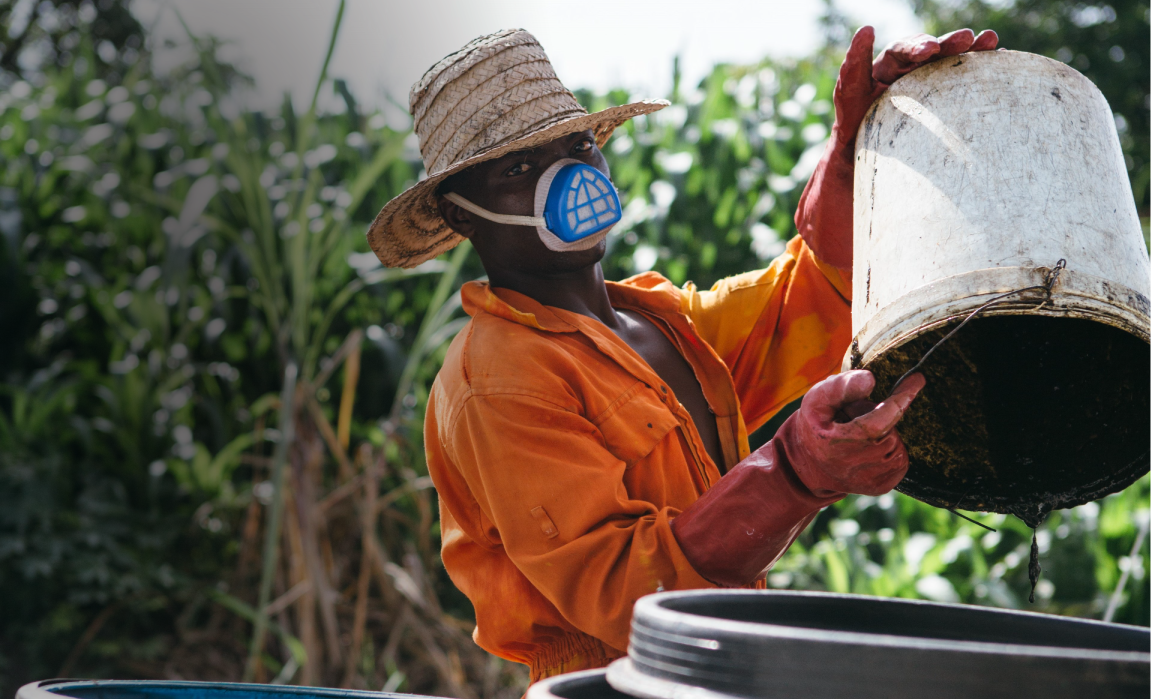
John overcame poverty through poop businesses.
That’s right, you read that correctly.
“My parents were very poor,” John says. “I tried to go to school but my uniforms were so torn that I looked almost naked. Friends would laugh at me, and I decided to stop school.”
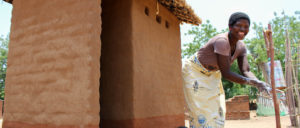
Annie sits outside of her mud-plastered home, a small thatched canopy providing little respite from the Malawi heat. Her gaze focuses on some scribbled words on the side of her latrine: Tigwiritse Nchito Chimbuzi Moyenera Nthawi Zonse.
Let’s use the latrine properly at all times.
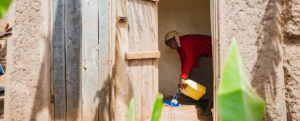
Folomina’s face lights up when she talks about her toilet. Two years ago, the state of water and sanitation in Folomina’s village was dire. She and the other 20 families in her community would walk two hours each day for water. The sanitation situation was just as bad.
- « Previous
- 1
- 2
- 3
- Next »